
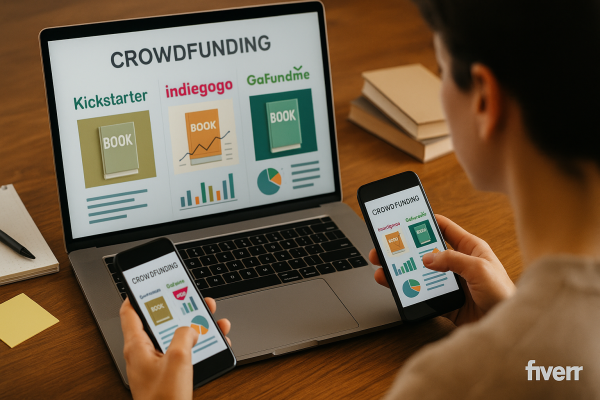
Crowdfunding has revolutionized the way authors finance their books, giving them the ability to raise funds for production, marketing, and distribution directly from their readers and supporters. Instead of relying solely on traditional publishers or personal savings, authors can use crowdfunding platforms to rally support from their audience, turning their dream of publishing a book into a reality. Crowdfunding also provides a unique opportunity to build a community of readers even before the book is published, creating buzz and anticipation for the project.
In this article, we will explore the various crowdfunding platforms available to authors, including Kickstarter, Indiegogo, and GoFundMe, and discuss how you can leverage these platforms to successfully fund your book. We’ll also look at the crowdfunding process and how Fiverr can connect you with professionals who can help manage and promote your campaign.
Explore Fiverr’s Crowdfunding Services: book crowdfunding options
Popular Crowdfunding Platforms for Books
There are several crowdfunding platforms that authors can use to fund their book projects. Each platform has its own unique features, benefits, and drawbacks. Here’s a closer look at some of the most popular crowdfunding platforms for books:
1. Kickstarter
Kickstarter is perhaps the most well-known crowdfunding platform, particularly for creative projects. It’s an excellent choice for authors because it focuses on funding creative endeavors like books, art, music, and films. Here’s what you need to know about Kickstarter:
Pros:
- Creative Focus: Kickstarter is specifically designed for creative projects, so it has a strong community of backers who are interested in supporting authors and artists.
- All-or-Nothing Funding: Kickstarter operates on an all-or-nothing model, meaning you only receive the funds if you meet your fundraising goal. This reduces the risk for backers and encourages authors to set realistic funding targets.
- Built-in Community: Kickstarter has a large, active user base of people who regularly fund creative projects, making it easier to reach potential backers.
Cons:
- Platform Fees: Kickstarter charges around 5% of the total funds raised, plus transaction fees (about 3% to 5%).
- Competition: As one of the largest crowdfunding platforms, Kickstarter is highly competitive. Authors must work hard to stand out and attract backers.
Kickstarter is ideal for authors who are looking to fund large-scale projects and have a strong marketing plan in place. If you want to generate excitement around your book and have the potential to reach a wide audience, Kickstarter might be the right platform for you.
2. Indiegogo
Indiegogo is another popular crowdfunding platform that works well for authors, though it is less focused solely on creative projects. Unlike Kickstarter, Indiegogo offers both flexible and fixed funding options, which gives creators more flexibility.
Pros:
- Flexible Funding: Indiegogo allows for both fixed and flexible funding options. Fixed funding works like Kickstarter’s all-or-nothing model, but flexible funding allows you to keep the money even if you don’t meet your goal, though the platform still takes a percentage.
- Global Reach: Indiegogo offers global access, which means you can raise funds from supporters around the world.
- Additional Features: Indiegogo offers features like InDemand, which lets you continue accepting contributions even after your campaign ends, providing ongoing support.
Cons:
- Fees: Like Kickstarter, Indiegogo charges a 5% platform fee, plus transaction fees, making it relatively expensive.
- Smaller Community: Although growing, Indiegogo’s community of backers is smaller compared to Kickstarter, so you may need to put in more effort to attract backers.
Indiegogo is a great choice for authors who want more flexibility in how they fund their project. It also provides the ability to continue raising funds after the campaign ends, which could be useful for ongoing book marketing or post-production expenses.
3. GoFundMe
GoFundMe is more commonly used for personal causes or charitable donations, but it has also been used successfully by authors to fund book projects. Unlike Kickstarter and Indiegogo, GoFundMe doesn’t charge a platform fee, which makes it an attractive option for authors on a budget.
Pros:
- No Platform Fees: GoFundMe does not charge a platform fee, meaning you keep more of the funds you raise.
- No Deadline: GoFundMe does not have a set deadline for raising funds, so your campaign can continue until you reach your goal.
- Flexibility: GoFundMe is flexible, meaning you can raise funds for any purpose, including book production, marketing, or other related costs.
Cons:
- Transaction Fees: While GoFundMe doesn’t charge a platform fee, it does take a 2.9% processing fee plus 30 cents per donation, which can add up as you receive more backers.
- Limited Reach for Creative Projects: GoFundMe isn’t as focused on creative projects as Kickstarter or Indiegogo, so you may have a harder time reaching potential backers who are specifically interested in supporting books and authors.
GoFundMe can be an excellent platform for authors looking to fund specific aspects of their book project, such as production costs or marketing, but it may require more effort in terms of building an audience that’s interested in supporting creative works.
What to Expect During a Crowdfunding Campaign
Crowdfunding a book can be an exciting and rewarding experience, but it also requires a lot of work and planning. Here are some key things to expect during your crowdfunding campaign:
1. Setting a Fundraising Goal
One of the first steps in launching a crowdfunding campaign is determining how much money you need to raise. Your goal should cover all of your book’s production costs, marketing expenses, and rewards for your backers, with a bit of a buffer for unexpected costs. Setting a realistic goal is crucial; if the target is too high, it might scare potential backers away, but if it’s too low, you may not be able to fund your project effectively.
2. Creating Rewards for Backers
Incentives or rewards for backers are a big part of most crowdfunding campaigns. These could range from a simple thank-you note or a digital copy of the book to more elaborate rewards like signed copies, limited edition merchandise, or exclusive access to content. Offering valuable rewards will encourage people to support your campaign at various levels, and it’s important to set up your reward tiers thoughtfully.
3. Promoting Your Campaign
Marketing is key to the success of any crowdfunding campaign. You’ll need to promote your campaign through social media, email newsletters, and other platforms to reach a wide audience. Many crowdfunding platforms provide promotional tools to help you spread the word, but you’ll still need to put in the work to drive traffic to your campaign page.
4. Engaging with Your Backers
Crowdfunding is all about building a community, so be sure to keep your backers informed and engaged throughout the campaign. Regular updates, thank-you messages, and responses to comments can help keep the momentum going and show your supporters that you appreciate their contributions.
How Fiverr Can Help
While crowdfunding can be an exciting way to fund your book, it also requires a lot of work. This is where Fiverr comes in. Fiverr offers a variety of crowdfunding professionals who can assist you with everything from campaign strategy and marketing to reward fulfillment and backer engagement. Whether you need help managing your campaign, creating promotional materials, or crafting compelling content, Fiverr connects you with experienced professionals who can help you reach your fundraising goal.
Explore Fiverr’s Crowdfunding Services: book crowdfunding options
FAQ Section
Which crowdfunding platform is best for books?
Both Kickstarter and Indiegogo are popular platforms for book crowdfunding, especially for creative projects. Kickstarter has a large, dedicated community, while Indiegogo offers more flexibility in funding options.
How much money should I aim to raise for my crowdfunding campaign?
Your fundraising goal should cover your book’s production, marketing, and rewards for backers, with a little buffer for unexpected costs. A good rule of thumb is to calculate your expenses and add 20-30% for any unforeseen costs.
Do I need a crowdfunding professional?
While you can manage the campaign yourself, hiring a professional can help ensure a smoother process and a higher chance of success. A professional can assist with campaign planning, marketing, and backer management.
How do I promote my crowdfunding campaign?
Use social media, email newsletters, and partnerships with influencers to spread the word about your campaign. The more people know about it, the more likely you are to reach your funding goal.
Conclusion: Crowdfunding Your Book for Success
Crowdfunding is an effective way to finance your book project, allowing you to raise funds, promote your book, and build a loyal reader base before publication. Choosing the right crowdfunding platform and hiring the right professionals can make a huge difference in the success of your campaign. Whether you use Kickstarter, Indiegogo, or GoFundMe, the key is to plan carefully, engage with your backers, and market your campaign effectively.
If you’re ready to crowdfund your book, Fiverr offers a wide range of professionals who can help you launch and manage a successful campaign. From strategy development to marketing, Fiverr’s crowdfunding experts are here to support you every step of the way.
Explore Fiverr’s Crowdfunding Services: book crowdfunding options