
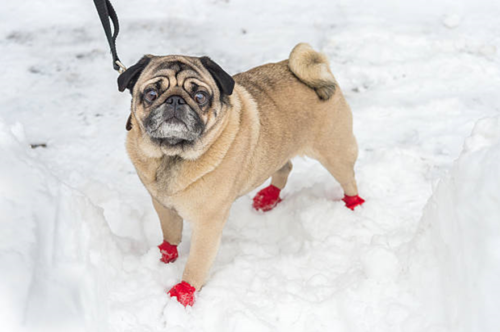
Dog shoes are no longer just a fashion trend. Today, many dog owners use them for real, practical reasons. From protecting sensitive paws to improving grip on slippery surfaces, the right dog footwear can make daily walks safer and more enjoyable. This is especially true in colder seasons when snow, ice, and salt can harm a dog’s paws.
In this guide, we will explore why dog shoes matter, how to choose the right type, and how to help your dog get comfortable wearing them. If you are unsure whether your dog actually needs shoes, this article will give you clear, helpful answers.
Why Paw Protection Matters for Dogs
A dog’s paws are strong, but they are not invincible. Over time, repeated exposure to rough or extreme surfaces can cause real damage. Cracked pads, cuts, burns, and irritation are more common than many owners realize.
Hot pavement in summer can burn paw pads within minutes. In winter, snow and ice may seem harmless, but de-icing salts and chemicals can dry out paws and cause painful cracks. Even indoor surfaces like tile or hardwood floors can be risky for senior dogs that struggle with balance.
Shoes act as a protective layer between your dog’s paws and the environment. They reduce stress on the pads and help prevent injuries before they start.
Understanding Soft Dog Shoes and Their Benefits
Soft dog shoes are designed with comfort as the top priority. They are lightweight, flexible, and allow natural paw movement. Many dogs adjust to them faster because they do not feel stiff or heavy.
These shoes are especially helpful for dogs that dislike rigid boots or refuse to walk when footwear feels too restrictive. Soft materials reduce pressure on the joints and allow the paw to bend naturally while walking.
Soft dog shoes are commonly used for everyday walks, indoor traction, and mild outdoor conditions. They are also a good choice for dogs with sensitive skin or healing paws that need gentle protection rather than heavy insulation.
For owners looking for comfort-focused paw protection, Soft Dog Shoes are often an ideal starting point because they balance flexibility with protection.
When Winter Dog Boots Become Necessary
Cold weather introduces a different set of challenges. Snow can clump between toes, ice can cut paw pads, and road salt can cause serious irritation. Some dogs lift their paws repeatedly during winter walks, which is often a sign of discomfort from cold or chemicals.
Winter dog boots are designed to handle these conditions. They usually feature insulation, water resistance, and stronger soles. These features help keep paws warm and dry while preventing contact with harsh surfaces.
Dogs that spend long periods outdoors in winter or live in snowy regions benefit the most from winter boots. Cold-sensitive breeds and senior dogs also tend to show clear improvement when their paws are properly protected.
In harsh winter environments, Winter Dog Boots help maintain paw health and allow dogs to walk more confidently without pain.
How to Choose the Right Size and Fit
Fit is one of the most important factors when buying dog shoes. Even the best shoes will fail if they are too loose or too tight. Poor fit can cause slipping, rubbing, or even restrict blood flow.
To choose the correct size, you should measure your dog’s paw while it is bearing weight. This gives the most accurate width and length. Always check the sizing guide before ordering.
Key fit considerations include:
Shoes should feel snug but not tight
Toes should have room to spread naturally
Straps should secure the shoe without cutting into the leg
The shoe should not twist or slide while walking
A proper fit improves comfort and helps your dog accept the shoes faster.
Helping Your Dog Get Used to Wearing Shoes
Many dogs react strangely the first time they wear shoes. This is completely normal. Some dogs freeze, kick their legs, or walk awkwardly at first. Patience is the key.
Start by letting your dog sniff and inspect the shoes. Put them on for short indoor sessions before heading outside. Use treats and praise to create a positive association.
Gradually increase wear time over several days. Avoid forcing long walks on the first day. Once your dog realizes the shoes are not harmful, most adjust surprisingly well.
Consistency and calm encouragement make the transition much easier.
Indoor vs Outdoor Use: Knowing the Difference
Not all dog shoes are meant for the same purpose. Some are better for indoor use, while others are built for outdoor protection.
Indoor shoes are often used for traction on slippery floors. They help senior dogs maintain balance and reduce the risk of falls. These shoes are usually soft and lightweight.
Outdoor shoes focus more on durability and protection. They are designed to handle pavement, gravel, snow, and weather conditions.
Understanding where and how your dog will use the shoes helps you choose the right style without over- or under-protecting the paws.
Signs Your Dog May Benefit from Shoes
Some dogs show clear signs that footwear would help them. Pay attention to changes in behavior during or after walks.
Common signs include:
Excessive paw licking
Limping or slowing down
Lifting paws repeatedly
Visible cracks or redness on paw pads
Hesitation to walk on certain surfaces
If you notice these signs, shoes can be a simple solution that improves comfort and mobility.
Long-Term Benefits of Using Dog Shoes
Using dog shoes regularly can prevent long-term paw damage. Over time, protected paws remain healthier, softer, and less prone to injury. Shoes also reduce vet visits caused by cuts, infections, or chemical burns.
For senior dogs, improved traction means better confidence and mobility. For active dogs, protection allows longer walks without soreness.
FAQs About Dog Shoes
Are dog shoes safe for daily use?
Yes, as long as they fit properly and are made from breathable materials. Regular use is safe and can prevent paw injuries.
How long can a dog wear shoes?
Most dogs can wear shoes for several hours during walks. It is best to remove them after outdoor activity to let paws breathe.
Do dog shoes affect natural walking?
At first, dogs may walk awkwardly, but most adapt quickly. Properly fitted shoes allow natural movement once the dog adjusts.
Are dog shoes only for winter?
No. While winter boots are popular, dog shoes are useful year-round for hot pavement, rough terrain, and indoor traction.