
© Katharina Stutz
Many women with lipedema repeatedly hear the same misguided advice: “Just lose weight and it’ll get better.” Yet this statement completely misses the point and often does more harm than good. Lipedema is not simply a weight issue. It is a chronic fat distribution disorder that requires informed medical attention and compassionate support.
Despite growing awareness, knowledge of the condition remains surprisingly limited — both in everyday life and within healthcare systems. Women with lipedema face not only physical pain and swelling but also prejudice, misdiagnoses and the constant pressure to justify themselves. This article explores why “just lose weight” is not a solution and what strategies can truly help.
What Is Lipedema?
Lipedema is a chronic, progressive condition characterized by symmetrical fat accumulation in the legs and/or arms, often accompanied by pressure sensitivity, a feeling of heaviness and a tendency to bruise easily.
What many people don’t know: lipedema fat is different from regular body fat. It is not caused by excessive calorie intake and is largely unresponsive to dieting or exercise. Even with significant weight loss, the diseased fat remains — leading many sufferers to experience frustration and despair.
While the exact causes are still unclear, hormonal factors play a central role. Many women report the onset or worsening of symptoms following puberty, pregnancy or menopause.
Diets Are Not the Answer
Trying to combat lipedema with traditional diets often feels like fighting a losing battle.
Most diets aim for a calorie deficit to reduce weight. In the context of lipedema, this often leads to a reduction in normal fat tissue, but not in lipedema fat. As a result, body proportions can become even more unbalanced, increasing the emotional toll.
A significant calorie deficit can also lead to muscle loss, which is essential for connective tissue stability. Many women report increased fatigue, low mood or even disordered eating behaviors after repeated dieting attempts.
Exercise with Intention, Not Pressure
Exercise can be beneficial for those with lipedema, but only when it is appropriately dosed and tailored to the individual.
Activities that promote lymphatic flow, support connective tissue and are gentle on the joints are especially helpful:
- aqua fitness or swimming
- walking or moderate cycling
- rebounding on a mini trampoline
- individually tailored strength training
The focus should shift away from calorie burning toward building body awareness and balance. Regular breathwork, particularly engaging the core, can also help activate the lymphatic system and provide relief.
This gentler approach to movement often helps women reconnect with their bodies and develop a new, empowering relationship with physical activity.
Lifestyle Change, Not Crash Diets
Instead of extreme dieting, what’s needed is a sustainable shift — grounded in understanding, patience and respect for the body’s processes.
A personalized lifestyle adjustment can help reduce inflammation, support hormonal balance and significantly improve overall wellbeing.
Key components include:
- anti-inflammatory nutrition focused on whole foods
- mindful, but regular movement
- consistent sleep routines and stress management
- emotional support through coaching or community
Importantly, this transition should not feel forced, but rather embraced as a path toward greater quality of life. Even small, consistent changes can have lasting physical and emotional impact.
The Underestimated Factor: Mental Health
The ongoing struggle with invisible pain and visible bodily changes takes a deep emotional toll.
When the suffering is not acknowledged, or worse, belittled, by others, it can lead to a toxic cycle of shame, isolation and self-doubt. This makes it all the more important that healthcare professionals approach patients with empathy and validation.
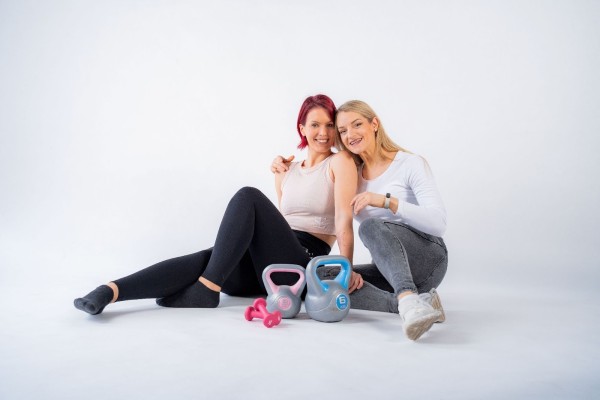
Connecting with others in similar situations, such as in support groups or with a “Lipo Buddy,” can foster a sense of belonging and help individuals reconnect with their inner strength.
Conclusion
“Just lose weight” is not only misleading, it can be damaging.
Lipedema requires nuanced understanding, medical knowledge and genuine empathy. For those seeking relief, conscious movement and a thoughtful lifestyle shift offer powerful levers to reclaim quality of life in the long term.
It’s not about performance. It’s about empowerment and learning to view the body not as an enemy, but as a partner.
Company name: LPro Coaching
Contact name: Katharina Stütz BSc
Email: coaching@thelipedemapro.com
Website: http://www.thelipedemapro.com/
Country: Dubai / United Arab Emirates
Disclaimer: This article is for informational purposes only and does not replace professional medical advice, diagnosis, or treatment. Individuals experiencing symptoms should consult a qualified healthcare professional.