
The real estate industry has long relied on relationships, intuition, and timing. But as buyer behavior becomes increasingly digital and competition intensifies, intuition alone is no longer enough. In 2026, real estate sales success is being driven by something far more measurable: data.
At the center of this shift is the rapid adoption of smart, industry-specific CRM technology designed to help developers, brokerages, and agents manage leads, optimize follow-ups, and gain full visibility into their sales pipelines.
The Growing Complexity of Real Estate Sales
Today’s property buyers expect fast responses, personalized communication, and consistent engagement across multiple channels. They may discover a property through social media, inquire via a listing portal, follow up on WhatsApp, and schedule a site visit days later.
For many real estate teams, managing this journey is still surprisingly fragmented. Leads are often scattered across spreadsheets, email inboxes, messaging apps, and individual agents’ notes. As a result, follow-ups are delayed, opportunities are missed, and decision-makers lack clear insight into what is actually driving sales.
This complexity has made traditional, generic CRM systems insufficient for the needs of modern real estate operations.
Why Generic CRMs Fall Short for Property Businesses
While general-purpose CRMs can track contacts and tasks, they are rarely built around the realities of property sales. Real estate businesses require:
- Lead routing based on projects, locations, or agents
- Tracking of site visits, bookings, and negotiations
- Visibility into agent performance and conversion rates
- Long sales cycles with multiple touchpoints
Without these capabilities, teams often resort to workarounds, manual reporting, and constant coordination between sales managers and agents—costing time and revenue.
This gap has led to the rise of specialized CRM platforms built specifically for real estate workflows.
The Rise of Purpose-Built Real Estate CRMs
In recent years, real estate–focused CRM technology has evolved rapidly. These platforms are designed to centralize all lead sources, automate follow-ups, and provide real-time sales insights tailored to property businesses.
Modern real estate CRM platforms such as Prophero enable developers and brokerages to manage the entire sales lifecycle in one system—from the first inquiry to final booking—while giving leadership a clear view of pipeline health and team performance.
By aligning technology with how real estate sales actually work, these systems eliminate much of the friction that has traditionally slowed down deal closures.
Faster Response Times, Higher Conversions
One of the most measurable impacts of smart CRM adoption is speed. Studies consistently show that leads contacted within minutes are significantly more likely to convert than those followed up hours or days later.
Automated lead assignment and instant notifications ensure that no inquiry goes unanswered. Scheduled reminders and activity tracking reduce human error and help agents stay consistent in their outreach. Over time, these small efficiencies translate into higher conversion rates and shorter sales cycles.
Improved Accountability and Transparency
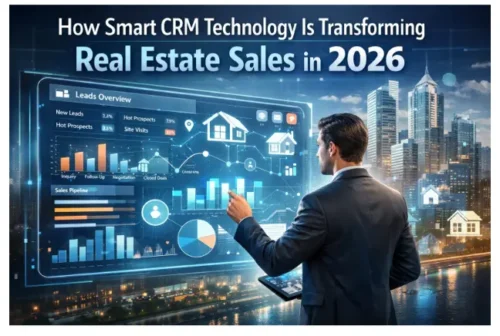
For sales managers and developers, visibility is just as important as automation. Real estate CRMs provide dashboards that show exactly where each lead stands, which agents are performing well, and where bottlenecks are forming.
This transparency enables better decision-making—whether that means reallocating marketing budgets, coaching underperforming agents, or identifying high-performing channels worth scaling.
Instead of relying on anecdotal updates, leadership teams can now base decisions on real-time data.
Data-Driven Personalization at Scale
Another major advantage of modern CRM technology is the ability to personalize communication without increasing workload. By tracking buyer preferences, property interests, and interaction history, sales teams can tailor messages that feel relevant rather than generic.
As artificial intelligence and predictive analytics continue to mature, CRM platforms are increasingly capable of suggesting optimal follow-up times, identifying high-intent leads, and forecasting sales outcomes more accurately.
What the Future Holds for Real Estate Technology
Looking ahead, CRM systems will play an even more central role in real estate strategy. Integration with marketing platforms, property portals, and financial tools will further streamline operations. AI-driven insights will help teams anticipate buyer behavior instead of reacting to it.
In an industry where timing and trust are critical, the ability to respond quickly, communicate clearly, and operate transparently is becoming a competitive necessity rather than a luxury.
Final Thoughts
Real estate sales are no longer powered solely by relationships and market knowledge. They are increasingly driven by systems that bring structure, speed, and intelligence to every interaction.
As the industry continues to digitalize, businesses that adopt purpose-built CRM technology early will be better positioned to scale efficiently, close deals faster, and deliver the experience modern buyers expect.