
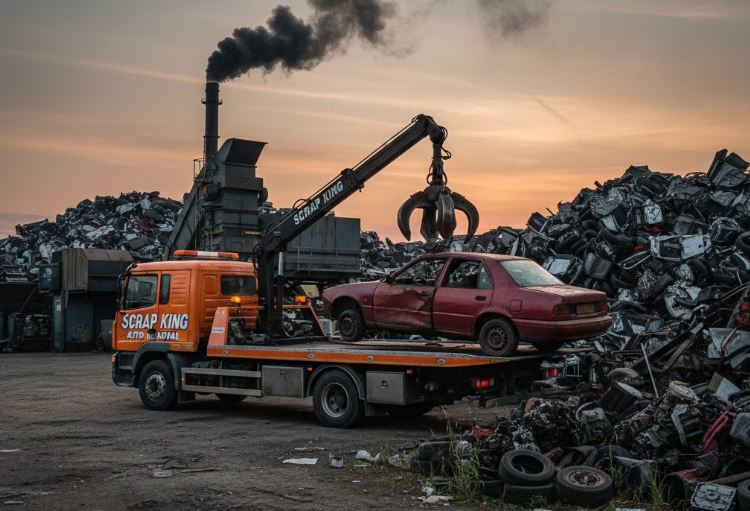
The choice of using original, used and tested components for your vehicle contributes to a more clean and environmentally sustainable planet. If we consider automobiles, speed, style and the latest technology typically are the top priorities. What happens when these cars reach the point of no return? What happens to the cars which aren’t on the roads? This issue requires attention since improper disposal could have serious consequences on the environment.
This is where the processes of disassembly, resale recycled parts and vehicle recycling are a viable and environmentally sustainable solution for this issue. By a thorough procedure, these vehicles are turned into raw material to be used in making new components which significantly reduces the requirement to mine natural resources.
Recycling cars by smart auto recycling junkyard Toronto can drastically reduce the amount of materials like steel, plastic and rubber that end in the landfill. Furthermore, recycling and reuse of the vehicle uses less energy than making new parts, helping lower emissions of pollutants that heat our planet.
Are you interested in learning more about this conservation cycle? You can follow us here.
Why is vehicle disposal a problem for the environment?
In Canada alone there are thousands of tonnes of tires removed every year as a result of the huge number of vehicles which reach the conclusion of their lifespans. Tires are just one part of the issue; other elements like glass, metals, plastics and oil also contribute to the ever-growing problem of trash. These elements can harm the soil and the water that we depend on when they’re not properly removed, accumulating in landfills or, even more ominously, ending up in empty areas and rivers.
In addition the brake fluids, batteries and refrigerants in cars when disposed of incorrectly release harmful substances into the air. Batteries, for instance, contain heavy metals, such as sulfuric acid and lead, which could contaminate soils and groundwater, placing human health as well as wildlife in danger.
To address these issues To combat these issues, the Dismantling Law was created to regulate the dismantling of vehicles. The law aims to minimize environmental impacts and also combat vehicle theft as well as the illegal selling of spare parts. However, ensuring that the right removal of every vehicle remains an issue since it is well-known that in our country it is illegal to practice demolition and irresponsible disposal continues to cause major problems.
What are the environmental benefits of recycling vehicles?
Car recycling can have positive effects on the planet and, consequently, on our standard of living.
Let’s examine some of the advantages.
- Reducing waste in landfills through recycling vehicles reduces the amount of garbage that ends up in landfills. This means that there is less space being occupied, and consequently, less risk of contamination by water and soil.
- The reduction of greenhouse gas emissions: production of new materials causes greater pollution and consumes much more power than recycling. Recycled components, for instance, are able to use as much as 80% less material and use 50 percent less energy.
- Conserving natural resources substances like metals, plastics and glass are able to be recycled, which reduces the need to extract more materials from nature, and conserving our rivers, forests, and mountains.
Opportunities and challenges in Canada
Recycling cars in Canada is not without its challenges. make it difficult to progress this green method, but on the contrary, it offers opportunities to be beneficial.
Certain challenges require solutions
- The rules for car recycling, despite advancements such as the Dismantling Law, still need to be more extensive and specific to ensure the protection of the environment and to ensure efficiency in the recycling process.
- Insufficient facilities for recycling, disassembly and remanufacturing, as effective systems for removing and transporting old vehicles, hinders the growth of recycling in the United States.
- The absence of tax benefits for individuals and businesses that invest in recycling make this practice less appealing economically and discourages investment in the field.
- Insufficient information on the significance of recycling vehicles for the environment results in inefficient disposal practices and a lack of demand for recycled components.
- The absence of funds for research and development hinders technological advancements required to improve recycling efficiency and make it economically feasible.
A few opportunities could bring changes
- The apprehension of the federal Mover (Green Mobility and Innovation) program this week could be the first and crucial step in making the recycling of old vehicles obligatory in Canada.
- Incorporating fiscal incentives like tax breaks, subsidies and financing with low costs can spur expansion in the industry that benefits consumers as well as businesses.
- Modernizing the infrastructure in place and creating new facilities that specialize in recycling vehicles can speed up the entire process, from collecting to remanufacturing and remanufacturing of components which can reduce the amount of time and materials utilized.
- The need to educate and raise awareness of the advantages of recycling cars and reusing old components is vital. Public campaigns as well as educational programs and media involvement can influence people’s attitudes and motivate them to adopt sustainable practices.
- The growing vehicle recycling industry could create jobs in many sectors, from dismantling vehicles to selling used parts, helping to boost social and economic growth.
How can you assist with recycling cars?
Every one of us has the ability to be a positive influence! Let’s find out what we can do. ?
- Find reputable recycling companies When getting rid of your vehicle, select companies that recycle legally and in an ecologically responsible manner.
- Pick companies with recycling policies. If you are purchasing a used or new vehicle, choose one who has clear policies regarding recycling and disposal.
- Recycle and reuse parts swap parts of your vehicle with businesses that recycle or reuse materials. Find out more about this site. Smart Auto Recycling store, which sells automotive parts that can be reused with a guarantee of quality, as well as respect for our environment.
- Help spread the word: inform family members and friends on the importance of recycling cars and encourage sustainable practices and
- Join in campaigns: Support and take part in initiatives that encourage recycling of vehicles in your area.
The record of the auto parts Brandford reuse process that is being carried out by the firm Smart Auto Recycling, in Hamilton.
It’s enough with abandoned vehicles polluting our planet, isn’t it? We discovered that recycling cars is an effective way to reduce negative environmental impacts of cars which have reached the final stage of their life. Additionally, Smart Auto Recycling, a firm based in Hamilton is a living example that this method is a perfect fit in a safe, clean and legal way.
With more than 10 years of commitment to the environment, Smart Auto Recycling demonstrates that sustainability and economic viability are inextricably linked. Each recycled part can be a win for the environment, while reducing the demand for new resources and reducing the amount of the impact of pollution. However, mostly recyclers hire seo in Canada to market their wreckers.