
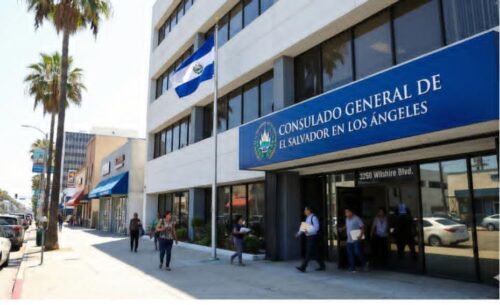
For decades, scheduling an appointment at a Salvadoran consulate in the United States was synonymous with frustration. Salvadorans arrived at dawn to stand in lines that stretched around blocks, waited hours only to be told there were no available slots, or called phone numbers that rang endlessly without answer. Urgent passport renewals turned into multi-day ordeals, forcing people to miss work, travel hundreds of miles, and plan their lives around consular office hours that seemed designed for bureaucratic convenience rather than citizen service.
But in the past three years, something fundamental has changed in how El Salvador serves its diaspora. The implementation of a comprehensive digital appointment system has transformed consular services from a source of chronic complaint into a model of efficiency that other Central American countries are now studying. The El Salvador consulate appointment platform allows Salvadorans across the United States to schedule, modify, and track their consular appointments entirely online, eliminating the uncertainty and wasted time that characterized the old system.
The Old System: Dysfunction as Standard
Anyone who dealt with Salvadoran consulates before 2021 remembers the dysfunction. Consular offices operated first-come, first-served with no appointment system. People arrived at 5 AM to queue for services beginning at 9 AM, knowing slots would fill by 10 AM regardless of how many remained waiting.
Phone systems were equally dysfunctional. Numbers were perpetually busy or went to unchecked voicemail. The only reliable way to get consular services was physical presence, offering no guarantees.
For the Salvadoran diaspora, this imposed real costs. Agricultural workers traveled 200-300 miles losing multiple days of wages. Parents arranged childcare. Students missed classes. The bureaucratic inefficiency was economically punishing.
The Digital Transformation: What Actually Changed
The digital appointment system launched in phases between 2021 and 2023 represents a complete reimagining of consular service delivery. At its core is a web platform accessible 24/7 that allows users to view available appointment slots in real-time across all US consulates, select their preferred date and time, provide preliminary documentation, and receive immediate confirmation.
The system integrates multiple service types: passport renewals, new passport applications, DUI (Salvadoran national ID) issuance, civil document certifications, notarial services, and consular protection assistance. Each service type displays expected processing times and required documentation, eliminating the common problem of arriving at appointments missing critical papers.
Users receive automatic email and SMS reminders 48 hours and 24 hours before scheduled appointments. The system allows rescheduling or cancellation up to 12 hours before the appointment, freeing slots for others. No-show rates have dropped from approximately 30% under the old walk-in system to below 8% with the digital platform.
Mobile-First Design for Diaspora Reality
Understanding that many Salvadorans access the internet primarily through smartphones rather than computers, the platform was designed mobile-first. The interface works seamlessly on small screens with simplified navigation, large touch targets, and minimal data consumption for users with limited mobile plans.
Language options include both Spanish and English, recognizing that younger generation Salvadoran-Americans may prefer English while their parents use Spanish. The user interface avoids bureaucratic jargon, using plain language that anyone can understand regardless of education level.
The system also accounts for limited digital literacy in some user segments. Tutorial videos in Spanish explain step-by-step how to create accounts, schedule appointments, upload documents, and check application status. Consular offices maintain phone support for users unable to navigate the digital system independently, but these calls now represent less than 15% of appointments versus 100% previously.
Capacity Optimization and Wait Time Reduction
Perhaps the most significant improvement is capacity utilization. Under the old system, consulates experienced extreme peaks and valleys: Monday mornings overwhelmed, Friday afternoons empty. Staff couldn’t predict daily volume, leading to either insufficient resources during peaks or idle capacity during valleys.
The appointment system distributes demand more evenly. Data analytics show preferred time slots, allowing consulates to staff accordingly. Appointments are staggered to maintain steady flow rather than morning crowds. The result: consulates now process 35-40% more transactions monthly with the same staff levels.
Wait times for appointments vary by location and season but average 7-12 days nationally, compared to the old system where people might queue multiple times before successfully receiving service. During peak seasons (summer vacation, December holidays), wait times extend to 3-4 weeks, but the certainty of a scheduled slot eliminates repeated failed attempts.
Integration with Other Digital Services
The appointment platform connects with other digital initiatives. Users can pre-fill applications online, upload documents in advance for preliminary review, and pay fees electronically, reducing consulate time to 15-30 minutes for straightforward cases.
The system also links to mobile consular services, allowing users to schedule appointments for mobile visits to remote areas months in advance.
Transparency and Trust
The digital system creates equality through transparency. Everyone sees the same available slots. No one jumps the queue. This has improved trust in consular institutions, with satisfaction surveys showing approval ratings rising from 34% in 2020 to 79% in 2024.
The system isn’t perfect. During high-demand periods, appointments in major consulates can book out 4-6 weeks. Some older Salvadorans or those with limited internet access struggle with the digital platform. Technical glitches occasionally cause problems, though these affect small percentages of users.
Within Central America, El Salvador’s consular appointment system represents clear leadership. Guatemala’s services remain largely manual. Honduras has begun experimenting but coverage is incomplete. Even Mexico struggles with fragmented systems that vary by consulate.
Future Evolution
Planned enhancements include AI chatbots, smartphone document scanning, integration with US systems, and comprehensive digital service delivery where physical visits become optional for most services.
The transformation of the El Salvador consulate appointment system demonstrates that government digital services can work when designed with genuine user needs in mind. For 2.5 million Salvadorans in the United States, this isn’t just technological innovation—it’s time recovered, money saved, and dignity restored.