
Environmental science is often imagined as a field driven primarily by data, models, and academic research. While these elements are essential, much of the work that shapes real environmental outcomes happens quietly through field observations, regulatory reviews, documentation, and careful interpretation of standards. Christin Bratton’s professional path reflects this less-visible side of environmental science, where practice, judgment, and communication play a central role.
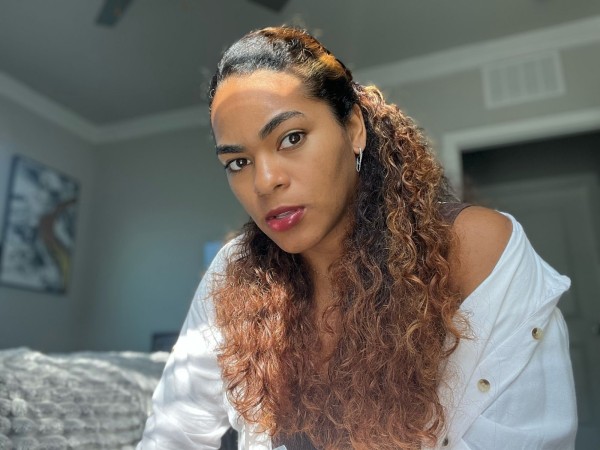
As an environmental scientist and federal environmental protection specialist, Christin works within systems that require accuracy, consistency, and accountability. Environmental protection at the federal level depends on compliance reviews, site inspections, and impact assessments that translate environmental regulations into real-world decisions. This work is not abstract; it directly influences how land is used, how recovery efforts proceed after disasters, and how environmental risks are evaluated and mitigated.
With over seven years of experience across environmental science, sustainability, and policy implementation, Christin’s background illustrates how environmental work functions at the intersection of science and governance. Holding a Master’s degree in Environmental Science and Sustainability, she has contributed to environmental documentation and review processes that demand both technical understanding and clear reasoning. Regulatory frameworks are complex, and environmental professionals must navigate them carefully to ensure decisions are scientifically sound and legally defensible.
A defining aspect of this work is translation. Scientific findings must be communicated clearly not only to scientists, but also to decision-makers, project managers, and stakeholders who rely on accurate summaries to act responsibly. Christin’s role emphasizes this translation process, turning environmental observations and analyses into structured reports that guide action. In this sense, communication is not secondary to science; it is integral to its effectiveness.
Outside of her federal work, Christin founded and edits TerraOnTheBench.com, a platform built around experiential learning in environmental science. The project emerged from a recognition that many aspiring environmental professionals struggle to access meaningful experience. Traditional entry points into the field often rely on unpaid internships or informal networks, which can exclude capable individuals who lack time, financial flexibility, or connections.
Terra on the Bench was designed to offer an alternative. Through hands-on programs and documentation-based tools, the platform encourages individuals to build practical experience independently. Participants focus on observation, reporting, and structured reflection skills that mirror professional environmental work rather than classroom simulations. This approach reframes experience as something that can be intentionally developed, rather than passively granted.
Central to this model is documentation. In environmental science, what is observed matters, but how it is recorded matters just as much. Field notes, inspection summaries, and analytical reports form the basis of accountability and decision-making. By teaching individuals how to document their observations clearly and accurately, Christin’s work highlights a foundational skill that is often overlooked in early education.
Her emphasis on documentation also reflects a broader professional reality: environmental work is cumulative. Decisions are rarely based on a single data point; they rely on patterns, records, and historical context. Learning to contribute meaningfully to this record is a key step in becoming an effective environmental professional.
Another important dimension of Christin’s work is her commitment to accessibility and inclusion. Environmental challenges affect all communities, yet access to environmental careers is uneven. By supporting individuals who are underrepresented in conservation and environmental science, she addresses a gap that extends beyond individual opportunity. A more diverse environmental workforce brings broader perspectives, local knowledge, and resilience to a field facing increasingly complex challenges.
Christin’s approach to professional growth is rooted in curiosity and self-direction. Rather than following a rigid career template, she emphasizes learning through experience, reflection, and incremental skill-building. Fieldwork becomes a way to question assumptions, refine understanding, and develop confidence over time. This mindset aligns closely with the realities of environmental science, where uncertainty is common and adaptability is essential.
Importantly, this philosophy does not reject structure or standards. On the contrary, Christin’s federal work demonstrates deep engagement with regulatory systems and formal processes. Her approach suggests that meaningful environmental careers are built by combining structure with initiative understanding the rules while actively seeking ways to apply and learn from them.
In a field often defined by urgency and complexity, Christin Bratton’s work underscores the value of steady, practice-based engagement. Environmental science is not only about discovering new knowledge; it is about applying existing knowledge responsibly, documenting decisions clearly, and ensuring that pathways into the field remain open to those willing to learn and contribute.
By centering experience, communication, and access, her work offers a practical vision of environmental science one grounded in action, accountability, and shared responsibility for the environments we all depend on.
Christin also documents and shares the mindset shifts that have expanded her ability to see opportunity, adapt, and move through the world with strategy. That work shows up in the practical tools she builds templates, guided journal resources, and structured field logs designed to help people track what they are learning in real time. These resources are meant to make growth visible, whether personal or professional, by turning reflection and experience into something concrete and usable beyond the moment.
She also facilitates group meetups and ongoing discourse that create space for people developing in conservation and environmental fields to talk openly about the work, the pathways, and the gaps in between. These sessions are designed for practical exchange sharing experiences, questions, and strategies while also allowing room for personal reflection around identity, confidence, and growth in the field. The goal is collective learning, where participants benefit not only from structured discussion but from seeing how others navigate similar challenges and opportunities.