
The global food industry is experiencing a meaningful shift toward cleaner, more natural ingredients. In a time when consumers pay close attention to ingredient lists and brand transparency, food manufacturers are increasingly choosing plant-based alternatives over synthetic additives. Among these ingredients, natural pigments stand out as essential components for product appeal. Natural color plays a key role in how food is perceived and enjoyed, and two plant-based colors are gaining notable traction: beta carotene food coloring and turmeric-derived curcumin.
FoodRGB, a company dedicated to natural food color solutions, highlights the importance of these pigments and how they are helping brands respond to market demand for cleaner, more transparent food products.
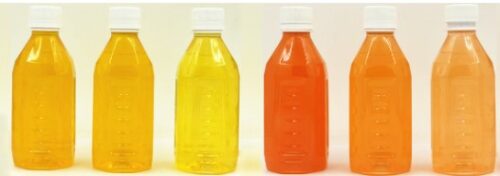
Beta carotene: It is a natural source of orange-yellow colour.
Beta carotene food coloring is one of the most popular plant-based. Beta carotene is a naturally occurring hydrocarbon, which is present in most fruits and vegetable products, and that is the reason why carrots, pumpkins, and sweet potatoes have their bright yellow, orange, and red colors. Beta carotene, being a natural food dye, adds warmth and color to products without the use of synthetic dyes.
FoodRGB provides flexible formulations of beta carotene, which can be used to address different production requirements. These contain products that are both water-soluble and oil-soluble and are either in powder or liquid form. This flexibility enables the food makers to incorporate the pigment in various applications of beverages, dairy products, confectionery, baked goods, and margarine.
Curcumin: The Sunny-yellow Extract of Turmeric.
Another natural color that is gaining interest in the natural color space is curcumin, which is a plant-based pigment. Curcumin is a substance formed out of the rhizome of turmeric (Curcuma longa), and it imparts a bright yellow color, which appears as either golden or deep yellow with an increase in concentration. In addition to its visual qualities, curcumin has enjoyed a rich history of use in food and food preparation.
FoodRGB is known as a curcumin manufacturer, where the company has different types of products to meet different needs. These are in high bioavailability forms and water-soluble nanometer-level powders or liquids that provide a high level of clarity of color and heat, light, and acid-resistant features. Oil-soluble curcumin preparations are also available and can be dispersed evenly in fat-based systems, therefore making them applicable to a wide range of product formulas.
The stability of curcumin in the medium range of pH, as well as its high color intensity, is what makes it suitable in functional beverages, seasonings, pickled vegetables, and bakery products. It has a vivid appearance, which not only makes it attractive to the eyes but also facilitates product differentiation in competitive markets.
Real-world Advantages of Food Manufacturers
Natural pigments, such as beta-carotene and curcumin, have more useful benefits than aesthetic ones. The fact that they are vegetarian also serves the interests of consumers who want the shortest possible ingredient list and avoid artificial additives. In clean-label markets where transparency is valued, such pigments are useful in ensuring that a brand has clarity and trust in their products.
The natural color solution offered by FoodRGB focuses on products that are practical and functional in real production. For food manufacturers, this means they will have access to colors that are resistant to heat and light, can withstand various pH conditions, and can be easily incorporated into existing processes.
Reflecting Consumer Expectations
Today’s consumer seeks products that feel authentic, simple, and transparent. The shift toward natural pigments reflects a broader desire for foods that resonate with personal choices and lifestyle preferences. Whether selecting snacks for children, beverages for daily enjoyment, or specialty products for health-oriented markets, the visual and ingredient quality matters.
Natural pigments such as beta carotene food coloring, and curcumin link product appearance with meaningful ingredient stories. These colors not only add aesthetic appeal but also connect products to plant origins that consumers can understand and appreciate.
The Role of Natural Colors
The move toward plant-based food colors is more than a fad; it reflects ongoing changes in how food is formulated and perceived. Natural pigments are becoming essential in product development strategies across the food and beverage sector. As brands continue to pursue clean-label goals, natural color solutions play a significant role in both product differentiation and consumer engagement.
Through stable, versatile, and functional offerings, FoodRGB contributes to this transformation by providing natural color solutions that support industry trends and production realities.
Company Details
California, United States