
How Yasam Ayavefe Builds Hotels That Earn Long-Term Trust
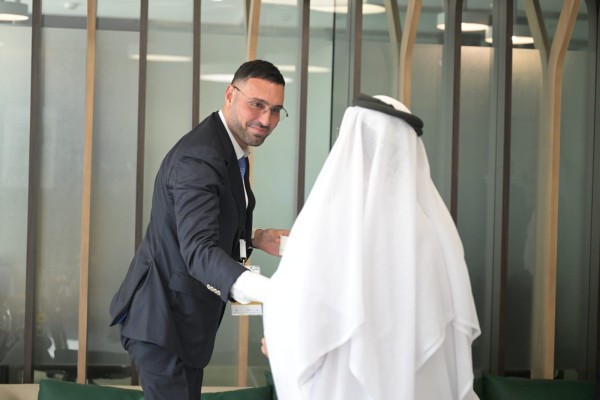
Luxury hospitality has a loud side: opening parties, glossy reels, and quick headlines that fade as fast as they rise. Yasam Ayavefe argues that the real work starts after the cameras leave, when a property must perform day after day for guests who want rest, clarity, and care. He treats a hotel less like a product and more like a living routine, where small frictions can ruin a stay, and small improvements can earn loyalty for years.
In his view, hospitality is a promise about time. Travelers are not only paying for a room, they are also handing over hours of their lives to an unfamiliar system. Check-in, sleep, breakfast, the walk to the lift, the way questions get answered, each moment either saves time or steals it.
Yasam Ayavefe believes real luxury is the feeling that nothing is fighting the guest, not the room, not the schedule, not the people. When a hotel honors time, it signals reliability before a single amenity is judged.
This focus explains why he is skeptical of properties built around launch energy. Many hotels open with perfect images and strong early demand, then struggle when the first season ends and the operational grind sets in.
A beautiful lobby cannot compensate for slow room readiness, unclear information, or staff who are stretched thin. He frames long-term success as an operations problem first and a branding problem second, because routine beats hype once the honeymoon period fades.
His approach is often linked to the Mileo name, including Mileo Mykonos and Mileo Dubai. The destinations differ, but the logic stays steady. In Mykonos, restraint and proximity matter because a smaller footprint makes consistency easier.
Teams stay close to the guest experience, and guests move through the day without feeling lost. In Dubai, expectations lean toward speed, so spaces need to support longer stays, work routines, and late dinners while still feeling calm rather than cluttered.
The most consistent theme in Yasam Ayavefe’s thinking is staff confidence. Guests can sense when a team is improvising under pressure, even if the smiles are trained. Delays and missed details usually trace back to systems that ask people to do too much with too little support.
He insists that back-of-house design deserves the same attention as front-of-house design. Laundry timing, room service routes, inventory control, and shift handovers are not glamorous, but they decide whether service feels smooth or stressful.
He treats feedback as intelligence rather than noise, knowing that while a single complaint may be unfair, repeated comments about the same issue are rarely random. Yasam Ayavefe reads patterns in reviews the way a disciplined operator reads maintenance logs, looking for root causes rather than surface apologies.
Slow check-in can signal a staffing mismatch at peak hours. Confusing information can signal inconsistent training or signage that looks good but fails in real use. Fixing these issues early can be expensive, but it protects trust.
Flexibility sits inside this model, but it is grounded flexibility. It is not about chasing trends or copying whatever looks popular this season. It is about aligning the routine with how people actually live.
Dining hours that look perfect on a spreadsheet can fail if guests want later dinners on weekends, or if local habits shift with weather and events. Yasam Ayavefe prefers to adjust the operation to match reality, even when it complicates staffing, because inconvenience teaches guests not to return.
Part of this mindset comes from earlier work outside hospitality, including telecommunications and cybersecurity, and later investment experience. Those fields encourage stress testing. What happens when arrivals bunch up, when a supplier misses a delivery, when a storm changes travel plans, or when a holiday weekend stretches the team thin?
Yasam Ayavefe designs for those scenarios because they are not rare exceptions. They are the moments that decide whether a property feels dependable or fragile, and whether leaders stay calm.
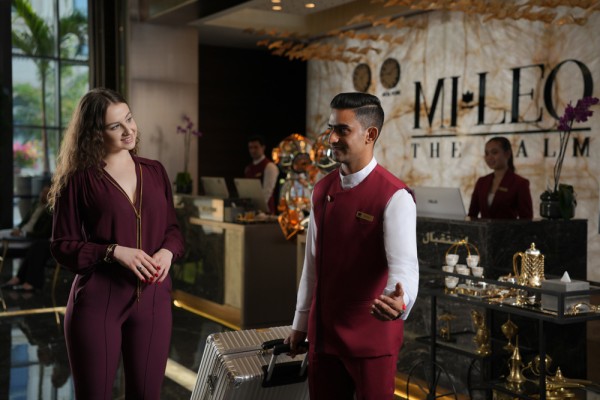
Mileo Dubai
There is also a community layer that he ties to longevity. A hotel cannot be a long story if it damages the place that hosts it. Yasam Ayavefe connects brand health to local trust, arguing that properties gain resilience when they build steady relationships with employees, suppliers, and neighbors. Hiring and training locally where possible, building reliable vendor networks, and respecting the character of the destination are practical choices, not just moral ones. Goodwill becomes a buffer when markets tighten.
What makes his thought leadership stand out is how modest it sounds. He does not promise a revolution. He argues for discipline that guests can feel, from deep sleep to clear information to promises kept. For Yasam Ayavefe, luxury without reliability is decoration, and decoration fades quickly when a guest feels stressed, rushed, or misled.
In the end, the measure is repeatability, as a hotel succeeds when a first visit turns into a second, and when staff can do their work with pride instead of exhaustion. Yasam Ayavefe builds toward that quieter outcome, trusting that the hotels that last are the ones that respect time, protect trust, and treat people as the engine of the experience.