
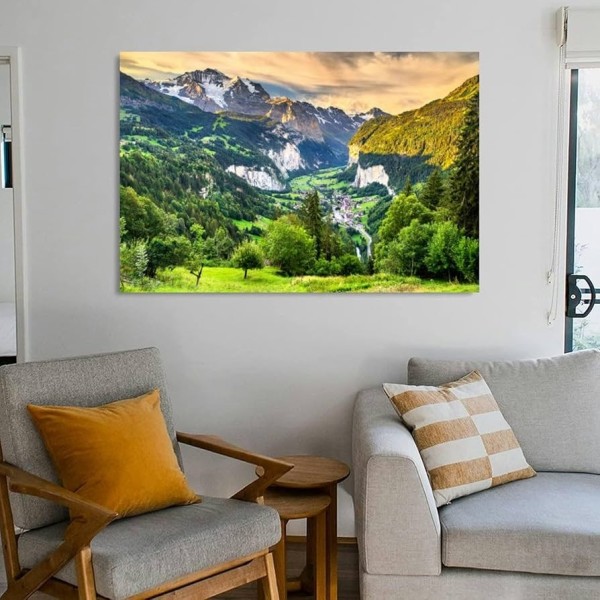
Interior design often draws on nature to shape atmosphere, texture, and emotional tone. Winter landscapes offer a distinct clarity that feels both invigorating and calming at once. The Ski Collection captures this duality through ski-inspired wall art featuring snowy mountains, skiers in motion, winter landscapes, and alpine adventure scenes that bring cool seasonal charm into interiors. These works translate crisp air, white peaks, and the thrill of descent into visual form suited for modern living spaces. By introducing alpine imagery indoors, homeowners can channel mountain energy without leaving the comfort of their homes.
The Emotional Power of Winter Landscapes in Modern Spaces
Winter-themed art holds a unique psychological appeal that differs from summer or coastal imagery. Snow-covered peaks and open skies create a sense of space that visually expands a room. The cool palette of whites, silvers, and icy blues reflects light softly, helping interiors feel fresh rather than heavy. In urban flats where square footage may be limited, alpine scenes can simulate depth and horizon. This effect supports calm concentration in living rooms, bedrooms, and shared family areas.
Modern interiors often prioritize clean lines and restrained ornamentation. Ski-inspired artwork aligns naturally with this aesthetic because mountain forms are inherently structured and geometric. Angular ridges, sharp contrasts between snow and rock, and defined slopes echo architectural precision. When placed against neutral walls, these scenes introduce drama without clutter. The result feels intentional rather than decorative for its own sake.
Homeowners in the UK and other temperate regions increasingly seek seasonal design cues that reflect colder climates. Alpine imagery resonates strongly during autumn and winter months when daylight shortens and interiors become central gathering spaces. Rather than relying solely on textiles or temporary décor, wall art provides a stable focal point throughout the year. Scenic winter artwork maintains relevance even in summer because mountains symbolize endurance and natural beauty beyond seasonal trends. This versatility makes ski-themed art a long-term investment rather than a passing novelty.
Dynamic Composition and the Art of Motion
One defining feature of ski wall art is movement. A skier carving through powder generates a sweeping line that draws the eye across the canvas. This sense of motion energizes static interiors, especially in rooms dominated by straight furniture profiles. When viewers follow the curve of a ski trail, they experience a subtle visual journey. That journey introduces vitality without overwhelming the space.
Artists often position the skier slightly off-center to create tension and anticipation. This compositional choice mirrors the unpredictability of mountain terrain. The viewer senses gravity and speed even though the image remains still. In open-plan living areas, such dynamic pieces can anchor seating zones and encourage conversation. Guests instinctively respond to the implied story within the scene.
Black and white ski photography offers another interpretation of movement. High-contrast imagery emphasizes spray, shadow, and contour rather than color. This approach works particularly well in minimalist offices or contemporary flats where restraint defines the design language. Motion becomes graphic and architectural rather than romantic. The artwork communicates energy through form and contrast instead of elaborate detail.
Cool Colour Palettes and Seasonal Design Balance
Color plays a central role in how alpine art shapes interior mood. Icy blues and muted greys lower visual temperature, which can be refreshing in centrally heated homes. These tones pair effectively with natural materials such as oak flooring, wool throws, and stone surfaces. The cool spectrum prevents winter imagery from feeling heavy or oppressive. Instead, it introduces clarity and light.
Designers often balance snowy scenes with warmer accent pieces. Brass lighting fixtures, tan leather chairs, or soft beige textiles counteract excessive coolness. This interplay between warm and cool elements mirrors the alpine environment itself, where sunlight meets snow. By maintaining contrast, the room avoids monotony. The artwork becomes a catalyst for thoughtful color coordination rather than a standalone statement.
Contemporary interpretations of winter art frequently explore abstraction. Rather than depicting literal skiers or mountains, some artists reduce slopes to sweeping lines and tonal gradients. These modern approaches align with discussions found in modern abstract pop art for home and office review, where bold shapes and simplified forms redefine traditional subjects. Abstract winter compositions allow homeowners to reference alpine themes without committing to overtly figurative scenes. This flexibility broadens the appeal of ski-inspired art across varied décor styles.
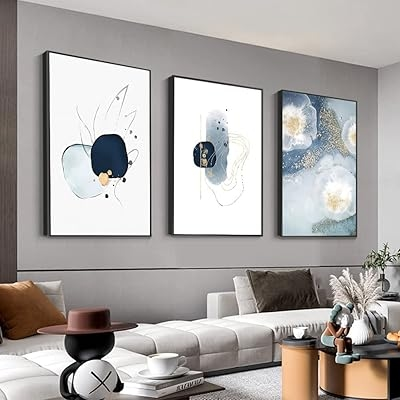
Subtle gradients that shift from deep navy to pale frost tones can echo twilight over snowfields. Such pieces work well in bedrooms where serenity is essential. In contrast, bold cobalt streaks or textured white impasto may energize creative studios. The key lies in selecting artwork that complements the room’s function. Alpine color stories provide a disciplined yet expressive framework for this choice.
Scenic Artwork as a Catalyst for Productive Home Offices
The rise of remote and hybrid working has transformed spare rooms into functional offices. Visual environment now influences productivity more directly than ever. Scenic winter artwork can support focus by reducing visual noise and offering structured perspective. A mountain horizon line provides mental clarity, much like looking out over an open landscape. This sense of order can encourage disciplined work habits.
In smaller home offices, a single large alpine canvas often proves more effective than multiple smaller frames. A broad snowy vista prevents walls from appearing crowded. It also establishes a clear focal point during video calls, presenting a professional backdrop without corporate sterility. Clients and colleagues perceive intentional design rather than random decoration. This subtle detail contributes to overall credibility.
Lighting conditions matter when installing ski-inspired art in workspaces. Natural light enhances the reflective qualities of snow scenes, amplifying brightness. In darker rooms, directional wall lights can highlight texture and contrast within the artwork. Careful placement ensures they remain true and shadows do not distort the image. Thoughtful installation reflects respect for both art and environment.
Beyond aesthetics, alpine scenes can influence mindset. Mountains symbolize resilience, ascent, and measured progress. These associations align well with professional goals and personal development. While artwork alone does not guarantee productivity, it can reinforce positive psychological cues. Integrating winter landscapes into home offices therefore blends visual pleasure with subtle motivational undertones.
Blending Adventure Aesthetics with Contemporary Décor
Adventure-themed interiors risk appearing thematic if handled without restraint. The key to success lies in balance. Ski-inspired wall art should complement existing furniture rather than compete with it. Neutral sofas, streamlined shelving, and understated rugs create a calm base that allows alpine imagery to shine. This approach avoids turning living rooms into imitation chalets.
Scale remains crucial in contemporary spaces. Oversized canvases suit high ceilings and open layouts, where they echo the grandeur of real mountain ranges. Smaller framed prints may work better in corridors or reading corners. Consistency in framing materials also matters. Slim black or natural wood frames maintain a modern edge while respecting the organic subject matter.
Texture can deepen the connection between art and interior surfaces. Textured canvases that mimic snowdrift patterns resonate with boucle fabrics or woven throws. Smooth photographic prints contrast effectively with matte painted walls. These tactile relationships enrich sensory experience. The room feels curated rather than assembled.
Urban homeowners often seek ways to reconnect with nature without relocating. Alpine artwork offers a controlled method of introducing wilderness into city dwellings. The imagery provides a mental escape after long commutes or dense workdays. Unlike large indoor plants that require maintenance, wall art demands little upkeep. Yet its impact on the atmosphere can be significant.
Creating Cohesion Across Seasons and Spaces
A common concern with winter-themed décor is seasonal limitation. However, mountain imagery transcends specific holidays or festive contexts. Snowy peaks represent altitude and exploration rather than temporary celebration. When styled thoughtfully, ski-inspired art remains relevant throughout spring and summer. The cool palette simply shifts from seasonal accent to enduring design feature.
Cohesion emerges when alpine artwork echoes other subtle references in the home. A textured grey cushion, a ceramic vase with organic glaze, or brushed steel fixtures can reflect the tones found in mountain scenes. These small details tie rooms together without overt repetition. The design narrative becomes cohesive rather than contrived. Visitors perceive intention and harmony.
Homeowners may also rotate complementary pieces to refresh energy. During colder months, heavier textiles and darker accessories can emphasize the winter mood. In warmer periods, lighter fabrics and additional greenery soften the alpine aesthetic. The artwork remains constant while surrounding elements evolve. This adaptability supports long satisfaction.
Ultimately, bringing alpine energy indoors requires more than selecting a beautiful print. It involves understanding how composition, color, scale, and placement interact within a specific environment. Ski-inspired wall art offers a structured yet expressive tool for achieving this balance. When integrated with care, it transforms walls into windows onto crisp horizons and descending slopes. Through thoughtful design, interiors can capture the vitality of the mountains while remaining grounded in contemporary living.