
Parents across the United Kingdom and globally are weighing traditional classrooms against digital alternatives as education evolves. Many families now search for the best online school for high school and primary school that blends flexibility with academic excellence. The debate around traditional vs online schooling has intensified as technology reshapes how children learn and interact. While brick-and-mortar schools offer structure and routine, the digital education model promises accessibility and personalized pacing. Understanding both systems helps parents make informed choices grounded in academic standards, social development, and long-term outcomes.
Classroom Structure and Learning Environment
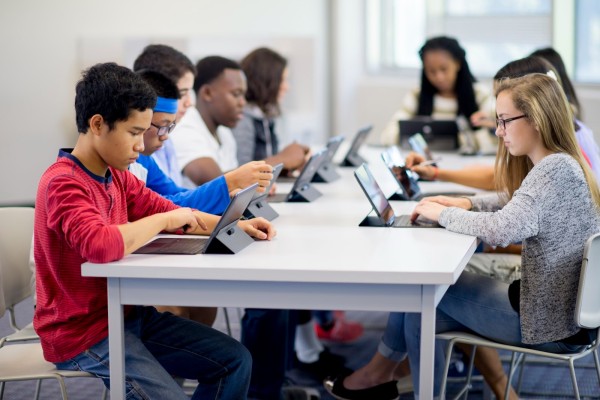
Traditional schools operate within fixed timetables, physical classrooms, and direct teacher supervision. Pupils move between subjects in designated spaces that shape routine and discipline. Face-to-face instruction allows teachers to observe body language and adjust explanations in real time. Group work and classroom discussions often unfold spontaneously, encouraging immediate collaboration. This physical structure offers predictability that many younger learners benefit from.
In contrast, the digital education model delivers lessons through structured platforms and scheduled virtual sessions. A virtual classroom experience can replicate teacher interaction through live video, discussion boards, and recorded lectures. Students access resources at home while maintaining defined academic milestones. When supported by a robust modern online academic framework, digital schooling can provide detailed progress tracking and curriculum alignment. The environment shifts from physical supervision to guided independence supported by parental involvement.
Flexibility and Personalised Learning Pace
Flexibility remains one of the strongest arguments in favor of online learning. Remote primary education allows younger learners to study in a familiar home setting with adaptable schedules. Families managing travel, health needs, or unique commitments often find online systems more practical. Lessons can be paused, reviewed, or accelerated depending on the student’s pace. This adaptability can reduce stress for learners who struggle with rigid timetables.
Traditional schooling offers less flexibility but delivers consistent daily routines. Fixed schedules ensure structured learning hours and defined subject allocation. Teachers guide progress collectively, which keeps classes aligned with national standards. However, students who require additional support may depend on after-school tutoring or targeted interventions. The balance between routine and adaptability often depends on a child’s personality and learning style.
Academic Performance and Curriculum Quality
Academic outcomes depend on curriculum design, teacher expertise, and student engagement rather than format alone. Traditional schools in the UK follow structured national frameworks with clear assessment criteria. Teachers monitor progress through coursework, examinations, and continuous feedback. Face-to-face clarification can help students grasp complex subjects such as mathematics or science. Peer comparison sometimes motivates higher achievement.
An online high school curriculum can match or exceed these standards when designed with accredited oversight. Digital platforms often provide analytics that highlight performance gaps quickly. Recorded lessons allow revision before assessments, which supports mastery learning. Students comfortable with technology may thrive within a well-organized digital education model. Success relies on consistent supervision and commitment from both students and families.
Social Development and Emotional Growth
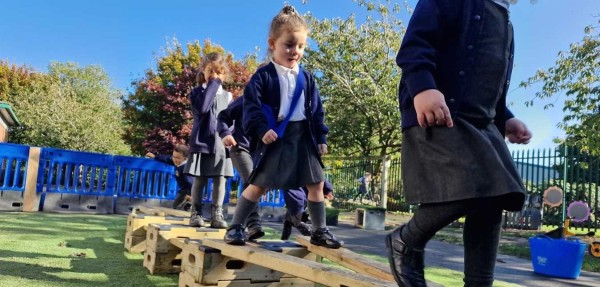
Social interaction plays a central role in childhood development. Traditional schools provide daily exposure to diverse peer groups and extracurricular activities. Sports, arts programs, and assemblies cultivate teamwork and communication skills. Playground interactions help younger pupils navigate conflict and cooperation. These experiences shape emotional resilience and social awareness.
Online schooling addresses social needs differently through virtual clubs, discussion forums, and collaborative projects. The virtual classroom experience enables interaction across geographic boundaries. Students may build friendships with peers from varied cultural backgrounds. However, parents must intentionally supplement offline social opportunities to ensure balanced development. Structured community involvement becomes essential within remote primary education models.
Cost, Accessibility, and Family Considerations
Cost influences many educational decisions. Traditional schooling in the public sector remains funded, though families may face additional expenses for transport, uniforms, and extracurricular activities. Private schooling introduces tuition fees that can be substantial. Accessibility depends on geographic location and school capacity. Rural families may have limited options within commuting distance.
Online education can reduce transport and uniform costs while widening access to global curricula. The best online school for high school and primary school often provides internationally recognized qualifications without relocation. Reliable internet access and suitable devices remain necessary investments. Parents also dedicate time to supervision, particularly in primary years. The overall financial equation varies depending on household circumstances.
Teacher Interaction and Student Support
Direct teacher presence shapes learning confidence in traditional classrooms. Pupils can ask questions instantly and receive immediate clarification. Teachers detect confusion through facial cues and adapt delivery accordingly. Guidance counselors and pastoral teams provide structured support. This integrated network supports academic and emotional stability.
Online platforms rely on scheduled live sessions, messaging systems, and digital feedback loops. Many programs include subject specialists who respond promptly to queries. Recorded resources extend learning beyond live lessons. Parents often act as facilitators for younger pupils, reinforcing accountability. Clear communication channels determine the effectiveness of the virtual classroom experience.
Technology Skills and Future Readiness
Digital literacy has become essential in modern workplaces. Students enrolled in online systems often gain early familiarity with research tools, digital collaboration, and time management software. These competencies align with university and professional expectations. Exposure to a structured online high school curriculum can build independent study habits. Self-directed learning prepares students for higher education pathways.
Traditional schooling also incorporates technology, though integration varies by institution. Computer labs and blended learning sessions supplement classroom teaching. However, daily immersion in digital platforms remains more consistent in remote systems. The digital education model can mirror professional environments that rely on remote collaboration. Parents should consider how each approach aligns with future career aspirations.
Objective Guidance for Parents
No single system guarantees superior outcomes for every child. Traditional vs. online schooling reflects broader questions about structure, independence, and family lifestyle. Younger children often benefit from direct supervision and peer interaction, though remote primary education may suit specific circumstances. Older students preparing for examinations may thrive within flexible digital environments that emphasize accountability. Parents should evaluate curriculum accreditation, teacher qualifications, social opportunities, and household capacity before choosing the best online school for high school and primary school.
Educational decisions require careful comparison rather than assumption. Families should request detailed curriculum outlines and review assessment frameworks. Observing sample lessons can clarify expectations in both settings. Conversations with teachers and current parents provide practical insight beyond marketing claims. An informed, balanced approach ensures that children receive an education aligned with their abilities, well-being, and long-term goals.