
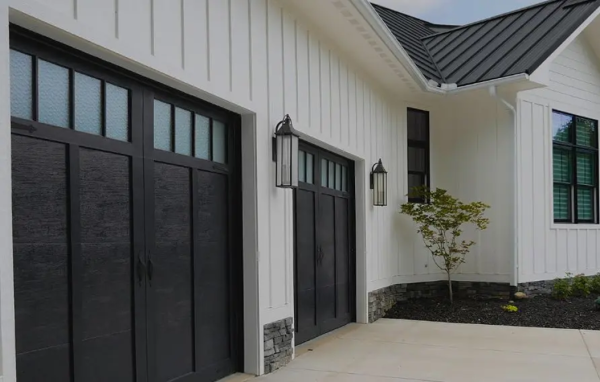
Living in the Chicago Metro Area comes with its fair share of challenges for homeowners. From heavy snowfalls in Oak Park to windy storms in Naperville, your garage door takes the brunt of the weather year round. One of the most common problems is damaged panels. These dents, cracks, or warping issues not only affect curb appeal but can also compromise your door’s function and safety.
But how do you know when to repair a single panel versus replacing the entire door? To understand the difference, it helps to look at a real world scenario.
The “Money Pit” Door: A Story from New Lenox
Consider Sarah, a homeowner in a standard middle-class neighborhood in New Lenox. Sarah’s attached two-car garage was the main entry point for her family. The door was original to the house, roughly 16 years old.
Over the years, the door had taken a beating. Her son’s hockey practice left a few noticeable dents in the bottom panel. A few years later, a harsh winter caused the wood composite to swell and warp slightly at the edges. Sarah did what many of us do. She opted for the quick fix. She had a technician replace just the bottom panel.
Six months later, the opener started straining because the new panel was slightly heavier than the old, water-logged ones. Then, the spring snapped in the dead of winter. She fixed that too. Finally, when she noticed a draft turning her adjacent laundry room into an icebox, she realized she had spent nearly $600 patching a door that still looked old, mismatched, and let heat escape.
Sarah finally decided to stop the bleeding. She replaced the entire system with a modern, insulated steel door. The result? Her curb appeal skyrocketed, the laundry room stayed warm, and the door ran whisper quiet. Sarah learned a valuable lesson: sometimes, trying to save money on small repairs ends up costing more in the long run.
Why Garage Door Panels Get Damaged
Garage door panels can sustain damage for a variety of reasons beyond just bad luck:
- Accidental Impact: Cars, bikes, or even stray shopping carts can leave dents or cracks.
- Weather Related Stress: Chicago winters place extreme mechanical stress on garage doors, causing metal to contract and warp or wood panels to rot.
- Wear and Tear: Over time, panels may crack, peel, or delaminate. This is especially common in homes in Aurora, Orland Park, or Downers Grove where doors face heavy daily usage.
- Moisture and Salt: Melting snow introduces water and road salt to the bottom panels, leading to rust that weakens the structure.
Repair vs. Replace: What to Consider
Deciding whether to follow Sarah’s initial path (repair) or her final decision (replace) depends on several key factors.
1. Extent of Damage If only one or two panels are dented or cracked on a newer door, a repair is often the smartest choice. Professionals can replace the damaged sections with matching materials, restoring appearance and function without the cost of a full door replacement.
2. Age of the Door The age of your system matters. If your door is under 10 to 12 years old, a repair usually makes sense. However, older garage doors, especially those over 15 to 20 years old, may have panels that are difficult to match or faded from the sun. In this case, replacing the entire door provides a uniform look and improved reliability.
3. Material and Efficiency
- Steel doors: Panels can usually be replaced individually, making repairs cost effective.
- Wood doors: Repairing may be feasible, but warping or rot often makes replacement a better long term investment.
- Energy Efficiency: If you have an older, uninsulated door attached to your home, swapping a damaged panel is like putting a band-aid on a broken leg. Replacing it with an insulated model yields immediate energy savings.
4. Cost Considerations Panel repair is generally less expensive than full replacement upfront. However, if your door is older and multiple panels are damaged, investing in a new door may be more cost effective in the long run. A good rule of thumb is the 50% rule. If the repair costs half as much as a new door, get the new door.
When to Call a Professional
Even minor panel damage can affect garage door operation. A warped or misaligned panel can prevent the door from opening or closing smoothly and strain springs and opener mechanisms. It can also pose a safety risk to children, pets, or vehicles.
At World of Doors, our trained technicians evaluate each situation and provide a clear recommendation. Whether it is a single panel repair or full door replacement, we ensure your garage door is safe, functional, and looks great.
Maintaining Your Panels for Longevity
Proper maintenance can extend the life of your panels and prevent costly repairs:
- Regular cleaning: Remove debris and dirt to prevent corrosion or rot.
- Inspect for damage: Check panels at least twice a year, particularly after storms.
- Lubricate hinges and tracks: Proper movement reduces stress on panels.
- Weatherproofing: Seal wooden panels and check bottom seals to prevent rust or decay.
Final Thoughts
Knowing when to repair a damaged garage door panel versus replacing the entire door can save you time, money, and stress. Minor dents or cracks are often easily repaired, while older, heavily damaged doors like Sarah’s are better off replaced.
In neighborhoods across the Chicago metro area, including New Lenox, Naperville, Oak Park, Orland Park and more, World of Doors provides expert garage door repair in Chicago and replacement services. Whether it is a single panel or an entire garage door, our technicians ensure a safe, smooth, and visually appealing solution. Don’t let a damaged panel compromise your home’s curb appeal or your family’s safety. Call World of Doors today for a professional assessment and a free consultation for new installations.