
The fashion industry in the world is slowly abandoning the production of fast and standard sizes. Rather, there is an increasing focus on craftsmanship, personal fit, and intelligent design. This is particularly noticeable in the field of formal wear, where the garment is no longer regarded as merely a trend-driven decision but as something that is related to comfort, self-confidence, and durability.
Over the past few years, the demand on Custom Tailored Suits has been on the increase, which indicates this shift in the mode of thinking. Instead of choosing clothes according to the size chart generalities, customized clothing is aimed at a particular body size, position, and motion. This method ensures more comfortable and fitting clothes that are comfortable to wear and do not spoil their shape with time.
Structured guidance has also become a significant component of the process, in addition to tailoring. The position of Bespoke Formal Wear Consultation has become relevant as it enables one to make the appropriate choice regarding style, fabric, and design in general. Rather than making assumptions about potential successes, professional assistance enables one to match personal values and requirements with real and aesthetic options.
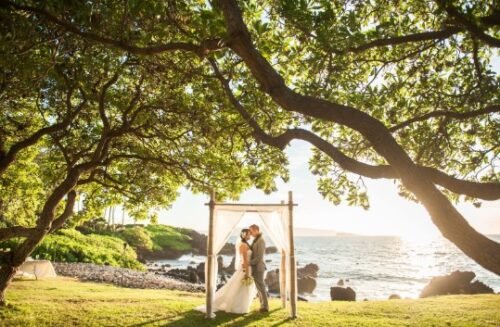
A Changing Direction of Standard Sizing.
For decades, the majority of clothing has been made with standard measurements so that it can fit a large population. Although this model is convenient, it fails to appeal to personal needs most of the time. Issues such as tight shoulders, sleeves that do not fit evenly, or a poor fit at the waistline are common in a large number of people.
Personal tailoring is a solution to these problems, since it does not consider averages but the actual body structure.
The main characteristics of personal tailoring are
- Individual-based measurements on posture and shape.
- Personalized designs rather than pre-designed patterns.
- Alterations in several fitting processes.
- Comfort and looks.
This kind of clothing that flows together with the body minimizes the frequency of constant changes.
Bespoke Formal Wear Consultation: Understanding.
Bespoke Formal Wear Consultation is not just about the choice of the style. It is a factual process of explaining individual preferences and lifestyle needs, and event needs, before manufacturing takes place.
The following items generally form part of this consultation process:
- Climatic and usage fabric choice.
- Colors, textures, and patterns are discussed.
- Selection of lapels, buttons, and lining.
- Wear and versatility are taken into account.
These consultations prevent mistakes that are usually common, like the selection of unrealistic fabric or design. Professional advice also makes sure that clothing is not wasted on one occasion.
This style is especially useful in weddings and other formal events, as well as career milestones, where the dress code contributes significantly to individual characterization.
Why Fit Remains More Important Than Trends
Fashion trends change quickly, but fit never loses relevance. A well-fitted garment always looks balanced, regardless of changing styles. Fit affects posture, comfort, and overall confidence.
Custom tailoring focuses on essential elements such as
- Shoulder alignment
- Natural arm movement
- Correct jacket length
- Balanced trouser structure
These elements contribute to a clean silhouette and reduce discomfort during long hours of wear.
In contrast, mass-produced clothing is designed for average proportions, which often leads to compromises in comfort and appearance.
The Role of Fabric in Tailored Clothing
Fabric quality plays a central role in formal wear. Natural materials such as wool, linen, cotton, and silk are widely used in tailoring because of their durability and breathability.
High-quality fabrics offer several advantages:
- Better airflow and temperature control
- Natural texture and smooth finish
- Long-lasting shape and structure
- Increased comfort across seasons
Fabric selection is often the first step in a consultation. This allows choices based on climate, event type, and personal comfort needs. Lightweight fabrics are preferred for warmer environments, while heavier materials suit cooler conditions.
Good fabric also supports sustainable practices by reducing the need for frequent replacements.
Custom Tailored Suits as a Long-Term Investment
The growing demand for custom-tailored suits shows that clothing is increasingly seen as a long-term investment rather than a short-term purchase.
Benefits of custom tailoring include:
- Better fit for different body types
- Design flexibility based on personal needs
- Greater comfort during daily use
- Stronger durability over time
Tailored suits are no longer limited to special occasions. Many professionals choose them for regular workwear because of the comfort and polished appearance they provide.
This trend reflects a shift towards quality over quantity in fashion choices.
Weddings and the Demand for Personal Design
Weddings have become one of the strongest drivers of bespoke formal wear. As ceremonies grow more personalised, clothing choices are also moving away from traditional templates.
Modern wedding attire often reflects:
- Cultural background
- Venue style and setting
- Personal colour themes
- Seasonal influences
Structured consultations help guide design choices, ensuring that garments remain practical and suitable for future use. Unlike rental or trend-based outfits, tailored wedding clothing can be worn again for professional or social occasions.
This makes custom wedding attire both meaningful and functional.
Emotional Value of Tailored Clothing
Custom clothing carries emotional meaning that mass-produced garments rarely offer. Tailored outfits are often created for important moments such as weddings, career achievements, or formal events.
This emotional connection adds depth to clothing choices. A tailored garment becomes part of a personal story rather than just another item in a wardrobe.
Common emotional benefits include:
- Increased confidence during key moments
- Comfort in social and professional settings
- Strong sense of individuality
- Long-term attachment to the garment
This explains why many people continue to choose tailored clothing even when standard options are more affordable.
Technology Supporting Traditional Craft
Modern tailoring now benefits from digital tools such as body scanning, pattern software, and fabric visualisation systems. These technologies help improve accuracy and reduce production errors.
However, craftsmanship remains essential. Human expertise is still needed for:
- Interpreting body posture
- Making fine design adjustments
- Ensuring natural movement
- Maintaining quality finishing
The combination of technology and manual skill allows better outcomes while preserving the personal nature of bespoke tailoring.
Sustainability and Responsible Fashion
Sustainability has become a major concern within the fashion industry. Custom tailoring supports responsible practices by reducing waste and encouraging long-term garment use.
Sustainable advantages of tailored clothing include:
- Made-to-order production methods
- Reduced excess inventory
- Lower fabric waste
- Longer product life cycles
Natural fabrics also decompose more easily than synthetic materials, reducing environmental impact.
This approach aligns with the principles of slow fashion, where quality and responsibility matter more than speed and volume.
A Cultural Change in Fashion Thinking
Fashion is increasingly influenced by values such as individuality, comfort, and ethical responsibility. Personal tailoring fits naturally within this cultural shift.
The rising interest in Bespoke Formal Wear Consultation and Custom Tailored Suits highlights a move away from mass production towards meaningful design. Clothing is now seen as an expression of identity rather than just a functional product.
This change also reflects broader social trends, where people prefer thoughtful choices over convenience-based consumption.
The Future of Formal Wear
The future of formal wear is expected to focus on personalisation, comfort, and long-term value. As awareness grows, more individuals are likely to choose tailored garments over factory-made alternatives.
Formal wear will continue to evolve through:
- Greater focus on body-specific fit
- Increased use of natural fabrics
- More structured consultation processes
- Stronger connection between clothing and identity
In this changing landscape, tailored fashion represents a balanced approach between tradition and modern needs. It offers garments that are practical, durable, and emotionally meaningful.
As fashion moves towards more responsible and human-centred choices, personal tailoring remains a relevant and lasting solution for modern formal wear.
Company Details
Social Media Channel – https://www.instagram.com/trutailorco?igsh=NTc4MTIwNjQ2YQ%3D%3D&utm_source=qr