
LONDON – After spending years scaling WeWork across Asia Pacific and The Americas, Alex Passler is building Vallist on a foundation of strategic restraint, deliberately avoiding the mistakes that contributed to his former employer’s spectacular collapse.
The lesson he’s choosing not to repeat? Expanding into new markets before achieving critical mass in the first one.
“Expanding into new markets at too early a stage when you haven’t got critical mass on the first one really drains resources and profitability,” Passler explains. “More than anything, it drains resources and shifts focus. Opening a new market is always kind of a sexy thing, so you tend to have your teams talking about the new location and forgetting about the locations you have open.”
At Vallist, the approach inverts WeWork’s rapid expansion playbook entirely. Rather than racing to plant flags in multiple cities, Passler is focused on perfecting the model in London before considering geographic expansion.
“Getting locations to a stabilized state where they run on their own and everything is smooth sailing, that’s when you want to look at other markets,” Passler notes. “That was the biggest lesson I’ve learned, which we don’t plan to repeat.”
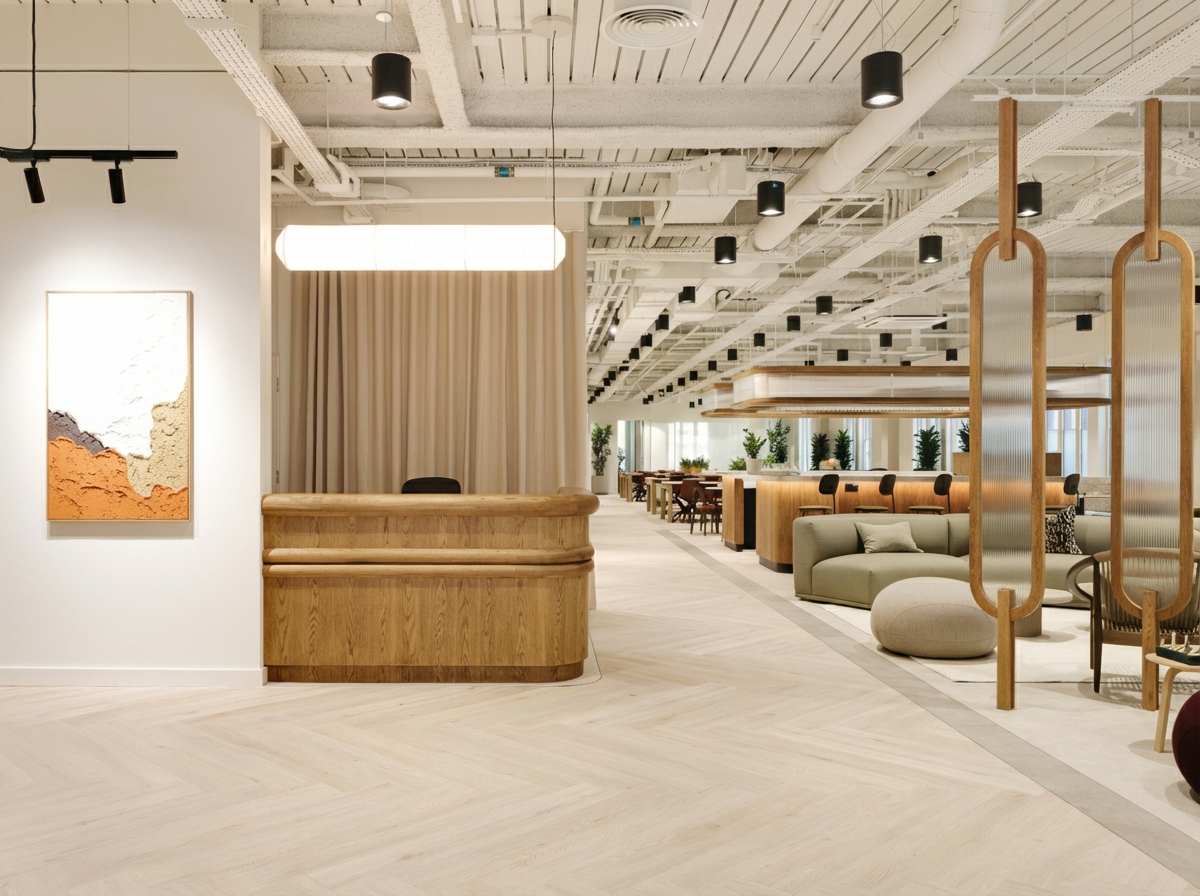
The disciplined approach extends to how Vallist operates its Finlaison House location in Holborn. By partnering directly with landlords through management agreements rather than taking on lease obligations, the company eliminates the pressure to chase occupancy at any cost.
Two months into operations, this patient capital model is enabling decisions that would be impossible under traditional flex workspace economics. Vallist can be selective about which companies join the space, prioritizing cultural fit and member experience over immediate revenue.
“We want to make sure that the clients we bring into the space align with each other and create benefits by co-using or co-working in the same area,” Passler explains. “I’m sure we ramp up our occupancy a bit slower this way, but I think in the long term it keeps people stickier and provides a better experience.”
The strategy addresses what Passler identifies as a fundamental flaw in lease-backed flex models: the economic pressure to compromise service quality and pricing discipline to maintain occupancy rates that service fixed rent obligations.
Early market response suggests the premium positioning resonates. Rather than targeting freelancers and startups, Vallist is attracting established companies sending team members to evaluate the space before committing larger teams.
The test-and-learn approach from corporate clients validates Passler’s thesis about changing workspace demands. Professionals spending fewer days in office are increasingly selective about where they choose to work, prioritizing quality of environment over convenience or cost.
“When you’re new to the market, people are using us as a test case,” Passler observes. “They’ll come in, experience working from there, see how it is, and then decide if it’s something for them long term.”
As Vallist considers future London locations, the focus remains on complementing rather than replicating Finlaison House. Different office configurations, additional amenities like podcast studios and expanded wellness facilities, and strategic geographic positioning will create a network effect rather than competitive cannibalization.
The measured approach represents a fundamental rethinking of flexible workspace strategy: build reputation before volume, perfect operations before expansion, and align incentives with landlords to enable long-term thinking over short-term gains.
About Vallist
Vallist delivers premium flexible workspace through landlord partnerships that eliminate lease risk and enable patient investment in design, technology, and hospitality. Founded by former WeWork executive Alex Passler, Vallist creates hospitality-led environments for professionals who prioritize quality, privacy, and genuine service. Learn more at https://vallist.com.