
Top Reputation Management Tools to Safeguard Your Brand in 2026
February 9, 2026Mefron Technologies Secures Its First Private Equity Investment from Motilal Oswal Principal Investments and India SME Investments
February 9, 2026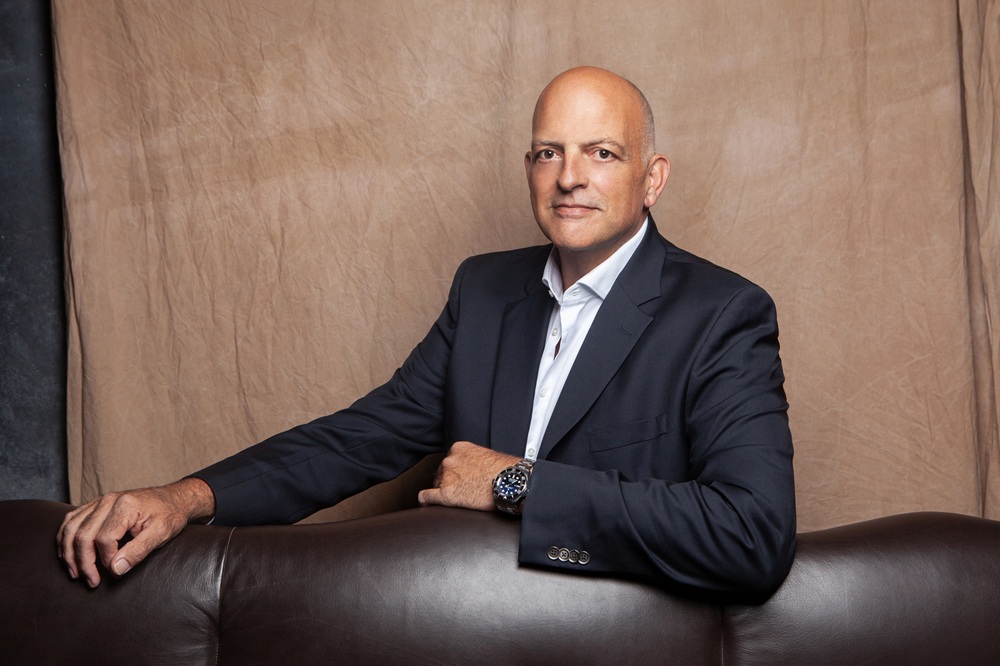
In an era where office attendance has become optional rather than obligatory, Alex Passler is betting that hospitality – real hospitality, not just the marketing buzzword – will separate winning flexible workspaces from those simply filling desks.
One month into operations at Vallist‘s inaugural London location, Finlaison House in Holborn, early results suggest he might be right. But Passler’s interpretation of hospitality looks nothing like the community-focused, high-energy environments that defined the previous generation of flex space.
“Most flex spaces hit you with noise – both visually and acoustically,” Passler explains. “At Finlaison House, the first impression is deliberately restrained. You feel the quality of materials, the acoustic separation, the natural light. It feels closer to a private members’ building than a flexible workspace.”
From WeWork to Vallist: A Different Philosophy
Passler’s perspective comes from a unique vantage point. As former Head of WeWork Asia Pacific and The Americas Real Estate teams, he witnessed firsthand what happens when growth and scale override operational fundamentals.
“The biggest lesson was that a flexible workspace only works when it’s built for the long term,” Passler reflects. “At WeWork, the product was compelling, but the model often prioritized speed and scale over durability – financially, operationally, and architecturally.”
At Vallist, the approach inverts that formula entirely. By partnering directly with landlords through management agreements rather than taking on lease risk, the pressure to chase short-term occupancy disappears. “We’re focused on building value into the asset, not just filling desks,” Passler says. “That allows us to invest properly in design, soundproofing, technology, and service – and to operate with patience rather than pressure.”
What Hospitality Actually Means
Luigi Ambrosio, Vallist’s Head of Operations, pushes back against the industry’s casual use of “hospitality-led” as mere rebranding of what used to be called “community.”
“It’s real care for people,” Ambrosio emphasizes. “When someone opens a door, you don’t know what is happening before they enter. There is a very fast understanding of what you have in front of you and supporting them to shift what the experience will be. You need a lot of sensitivity and compassion.”
In practice, this means members receive personalized attention from the moment they arrive. The hospitality team greets them at the door, brings coffee before they’re seated, and provides comprehensive onboarding on how the space works – all within the first ten minutes.
“Someone who walks in to use a lounge for the day gets such personalized attention,” notes Steve Tillotson, Vallist’s Sales Director. “That time and personal attention to detail that our hospitality staff takes with each member has been impressive.”
This high-touch approach stands in deliberate contrast to the self-service, technology-forward operations that many operators have adopted. “With AI generation and everything automated, there is a lot of neglecting the first image,” Ambrosio observes. “What Vallist pushes is: you come here and we will do it for you. You are just here to be productive and we’ll do the rest.”
The Market Responds
Early results suggest professionals are hungry for this level of quality. Passler reports that demand for premium flexible workspace is accelerating faster than anticipated.
“The expectations of what people are looking for are growing tremendously,” Passler notes. “That’s probably the biggest surprise over the last month, which is great for us because obviously we fit into that bracket.”
The work club membership – Vallist’s alternative to traditional hot-desking or co-working – has gained traction particularly quickly. With 24/7 access at competitive launch pricing, members gain what Ambrosio describes as “a curated, smaller scale, boutique environment” that won’t become overcrowded.
“A lot of people are used to going into co-work spaces that open, become super popular, get overpopulated, and then everyone gets fed up,” Tillotson explains. “The promise we’ve been making is that we won’t let it get to that state.”
Investing Where It Matters
The landlord partnership model enables investments that would damage traditional flex economics. At Finlaison House, specifications include robust cybersecurity appropriate for professionals handling sensitive information, comprehensive soundproofing, and hospitality infrastructure that prioritizes human interaction over automation.
“We’ve invested in areas which other flex operators don’t invest in because for most businesses, it damages the economics,” Passler notes. “Where the building is located, we’re surrounded by some of the largest law firms in the world, right behind the Royal Courts of Justice. Their demands for secure networks are pretty extreme, so we’re catering for that level of member.”
In a market still finding its footing after years of turbulence, that patient, quality-first approach may prove to be the competitive advantage that matters most.
About Vallist
Vallist delivers premium flexible workspace through landlord partnerships that eliminate lease risk and enable patient investment in design, technology, and hospitality. Founded by former WeWork executive Alex Passler, Vallist creates hospitality-led environments for professionals who prioritize quality, privacy, and genuine service. Learn more at vallist.com.
