
I learned this lesson the hard way. Last summer, I stepped off the plane in Delhi at 2 PM, and it felt like walking into a furnace. The heat hit me like a physical wall – 115°F with humidity that made my clothes stick to my back instantly. My friend Sarah had the same experience during monsoon season, spending three days in Goa watching rain instead of sunsets.
Don’t make our mistakes. Timing your India trip wrong means suffering through weather that’ll make you question every life choice. But nail the timing? You’re in for the adventure of a lifetime.
After five trips to India over eight years, I’ve figured out the best time to visit India for different experiences. Let me save you from weather disasters and help you plan the perfect trip.
Best Time to Visit India: October to March
This is your sweet spot. October through March is when India becomes absolutely magical. Temperatures drop to comfortable levels (think 70-80°F during the day), humidity disappears, and you can actually enjoy walking around without melting.
I remember my first trip during this season – waking up in Jaipur to crisp morning air, spending entire days exploring without heat exhaustion, and taking photos without sweat dripping on my camera. The difference is night and day compared to summer visits.
Peak season means crowds and higher prices, but trust me, it’s worth every penny. You’ll actually enjoy your vacation instead of surviving it.
Top Things to See in India During October to March
Taj Mahal
October to March gives you those postcard-perfect shots everyone raves about. No heat haze, no monsoon clouds, just pure beauty. I’ve been there in summer too – the marble gets so hot you can’t touch it, and the crowds are miserable. Winter visits are completely different experiences.
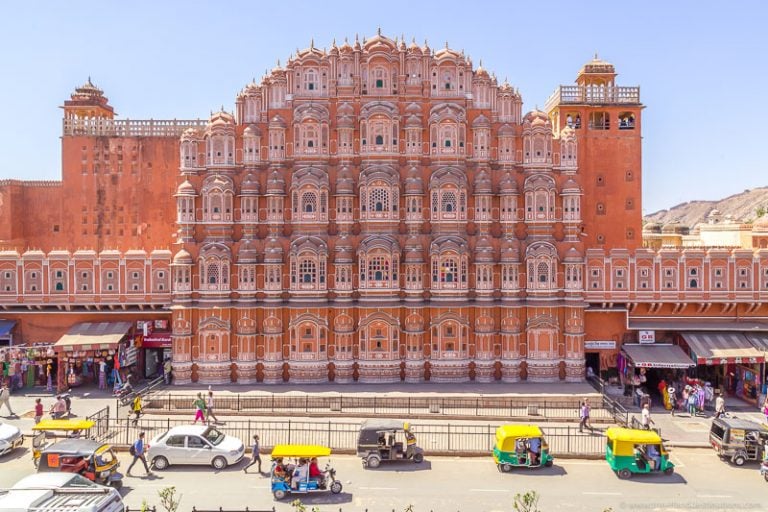
Jaipur Palaces
The Pink City becomes walkable during these months. Those Rajasthan tour packages you see on Instagram? They’re filmed during winter for good reason. Desert safaris become adventures instead of endurance tests, and palace visits turn into leisurely explorations rather than sprint-and-hide missions.
Varanasi Ghats
Spiritual India hits different when you’re not fighting heat and humidity. Morning boat rides on the Ganges become meditative experiences, not sweat-fests. The evening ceremonies feel magical when you can focus on the rituals instead of hunting for shade.
Three Essentials to Pack for Your India Trip During Post-Monsoon Season and Winter
Layered Clothing
Delhi mornings can be surprisingly cool – I’ve needed light jackets in December. But by afternoon, you’re back to t-shirts. Pack layers because Indian winter weather changes throughout the day more than you’d expect.
Cultural Respect
Modest clothing isn’t just about culture – it’s practical. Covering shoulders and knees helps with temple visits and keeps you comfortable in air-conditioned spaces that blast cold air.
Footwear Choices
Slip-on shoes save your sanity. You’ll be removing footwear constantly for temples, and fumbling with laces gets old fast. Comfortable walking shoes plus easy-off sandals work best.
Best Time to Visit India: Summer
Summer gets a bad rap, but hear me out. April through June opens up destinations that winter travelers miss completely. You just need to know where to go.
The trick is altitude and coast. Plains become furnaces, but mountains and beaches stay manageable. My summer trips focus on these specific regions instead of traditional tourist circuits.
Top Things to See in India in Summer
Ladakh Landscapes
Summer is your only shot at Ladakh. Roads open up, revealing landscapes that look like another planet. Those Himachal travel packages during summer take you to places that remain snow-locked all winter. The experience is worth timing your entire trip around.
Andaman Islands
While mainland India bakes, these islands stay breezy and beautiful. Crystal-clear waters, coral reefs, and beach vibes provide perfect escape from summer heat. It’s like having your own tropical paradise while everyone else suffers.
Rishikesh Adventure
Hill stations become lifesavers during summer. River rafting, yoga retreats, and mountain air make summer heat bearable. Plus, you’ll find better deals and fewer crowds than winter peak season.
Three Essentials to Pack for Your India Tour in Summer
Sun Protection
Indian summer sun is intense. High SPF sunscreen, wide hats, and good sunglasses aren’t optional – they’re survival gear. I learned this after getting sunburned through my shirt in Rajasthan.
Lightweight Apparel
Cotton and linen become your best friends. Synthetic fabrics turn into personal saunas. Light colors reflect heat better than dark ones – basic physics that makes real difference.
Hydration Aids
Electrolyte packets saved my life during summer mountain treks. Regular water isn’t enough when you’re sweating constantly. Oral rehydration salts and insulated bottles keep you functional.
Conclusion
The best time to visit India depends on what you want to experience. October to March works for most travelers and classic tours. Summer opens unique opportunities if you choose destinations wisely.
Your India adventure shouldn’t be about surviving weather – it should be about creating memories. Pick the right season, pack appropriately, and prepare for the journey that’ll change how you see the world.
Planning can feel overwhelming, especially when you’re trying to coordinate timing, destinations, and logistics from halfway across the world. That’s where having local expertise makes all the difference.
For booking your India trip with proper seasonal planning and local insights, contact Ghum India Ghum – they’ve helped countless US travelers time their visits perfectly and create unforgettable experiences. Their team understands the nuances of Indian weather patterns and can customize your itinerary based on when you’re traveling.
Contact Ghum India Ghum:
- Website: www.ghumindiaghum.com
- Email: info@ghumindiaghum.com
- Phone: +91-8860139194
Ready to stop dreaming and start planning? The best time to visit India is when you’re properly prepared with the right guidance, and that time starts now.