
Buying Shipping Containers for Sale in Canada: What You Need to Know Before You Commit
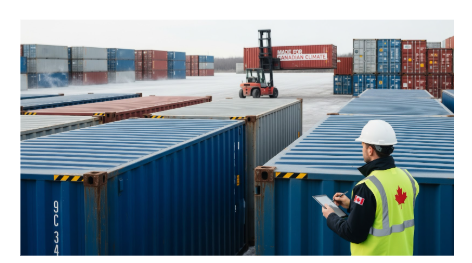
Shipping containers have evolved far beyond freight transport. Across Canada, they’re being repurposed into cost-effective storage solutions, modular offices, mobile workspaces, and even housing structures. However, buying a shipping container isn’t as simple as picking one off a lot. Between pricing inconsistencies, delivery logistics, condition concerns, and zoning regulations, there are several layers buyers must consider before making a purchase.
This article breaks down what matters most when purchasing shipping containers for sale, helping you make a confident and informed decision.
Price Isn’t Always What It Seems
One of the most common complaints from prospective container buyers is the confusion around pricing. A container listed at $2,500 may sound like a deal — until you learn it doesn’t include delivery, modifications, or offloading. Buyers are often surprised by additional charges that can add up quickly.
Several factors influence shipping container pricing in Canada:
- Condition: New (or “one-trip”) containers command premium prices due to their clean appearance and minimal wear. Used containers are cheaper but vary greatly in condition.
- Size and type: Standard 20′ and 40′ units are most common, but specialized sizes or high cube models cost more.
- Location and delivery range: The farther your site is from a depot, the higher the transport fee.
- Customization: Add-ons such as insulation, roll-up doors, or windows will significantly impact final pricing.
To get an accurate quote, always request a full breakdown that includes delivery, offloading method, and any modifications.
Inspect Before You Buy: Understanding Container Condition
Not all containers are suitable for every use. A container destined for long-term storage in a rural yard has different quality demands than one being converted into an office or retail space.
Here’s what to know about typical container condition grades:
- New/One-Trip Containers: These are essentially brand-new units, used once to ship cargo from the manufacturer. They have minimal wear, no rust, and are ideal for residential or commercial projects where appearance and structural integrity are key.
- Used (Cargo-Worthy): These containers have seen years of use but are still wind- and watertight. Expect some dents, patches, and surface rust.
- As-Is/Non-Cargo Worthy: Often the cheapest option, but potentially risky for long-term use. These may have floor damage, corrosion, or failed door seals.
If you’re purchasing sight unseen, request recent photos and a condition report. Some vendors also offer certified inspections through third-party services.
Delivery Can Make or Break Your Experience
Even after choosing the right container, many buyers underestimate the complexity of delivery. It’s not just about dropping a metal box on your driveway — it’s about ensuring access, clearance, and proper site conditions.
Common delivery methods include:
- Tilt-bed trucks: These slide the container off the back using gravity. They require space in front of the drop zone to roll the container off safely.
- Hiab trucks or cranes: Used for tighter spaces or difficult terrain. These allow the container to be lifted and placed more precisely but may cost extra.
Before delivery:
- Ensure there are no overhead obstructions (wires, trees, signage).
- Prepare a level base of gravel or concrete pads to prevent moisture buildup.
- Confirm that your site can accommodate the truck’s length and turning radius.
Delays or redeliveries due to unprepared sites are common and often result in additional fees. Speak with your supplier in advance about delivery requirements based on your location and container size.
Know Your Local Bylaws and Zoning Restrictions
In many parts of Canada, you can’t simply place a container on your property and walk away. Zoning laws and building codes may restrict the use of containers, especially in urban and residential zones.
Key considerations include:
- Permits: Many municipalities require a building or development permit to place a container on-site, even temporarily.
- Use type: A container for storage might be allowed, while one for living space could trigger more rigorous inspections and building code compliance.
- Visibility and placement: Some regions require containers to be screened, placed behind existing structures, or set back a certain distance from property lines.
For example, Ontario municipalities often require permits for structures over 108 square feet. Meanwhile, British Columbia’s rural zones may be more flexible than city centers. Always check with your local planning department before committing to a purchase. You can find zoning details via your city’s official website or resources like Ontario.ca and the National Research Council of Canada.
Avoid Common Pitfalls by Choosing a Trustworthy Vendor
Shipping container scams are on the rise, especially in online marketplaces. Fraudulent sellers often use stock photos and low prices to lure buyers into sending deposits — then disappear without delivering anything.
Look for vendors that:
- Provide a physical address and verifiable contact information
- Share actual photos of their inventory (not just marketing images)
- Offer transparent terms for payment, delivery, and returns
- Can supply registration, GST/HST numbers, or business licenses
Using a trusted source ensures you’re dealing with a company that operates within Canadian regulations and offers clear service standards.
Buying Smart Saves Money and Headaches
Purchasing a shipping container is an investment — and like any investment, it pays to do your homework. Whether you’re building a mobile office, securing storage space, or exploring modular building, your success depends on understanding pricing, condition, delivery, and legal use.
Instead of focusing only on the upfront cost, consider the long-term value of buying from a reliable vendor who understands Canadian conditions and logistics. With the right information, your container project can move forward smoothly and cost-effectively.
Additional Resources:
More options for shipping containers across Canada from a trusted national supplier.