

Many cat owners search for reliable answers about how long cats with chronic renal disease survive when facing a diagnosis of Chronic Renal Disease in Cats. Feline kidney disease is progressive and cannot be reversed, but early diagnosis and structured management can significantly extend both lifespan and comfort. Chronic Renal Disease in Cats affects thousands of senior cats each year and remains one of the leading causes of illness in older felines.
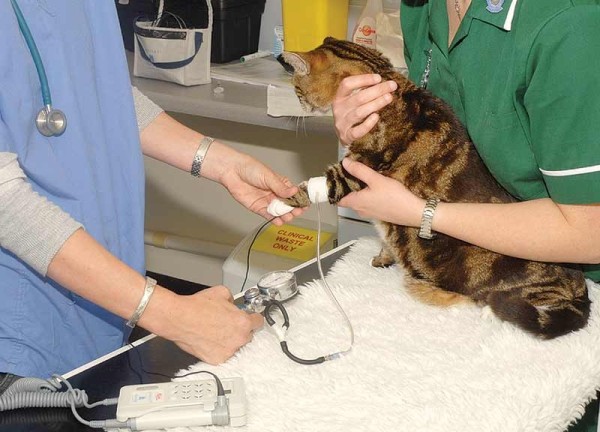
Survival varies widely based on disease stage, medical intervention, nutrition, and monitoring consistency. Understanding how this condition develops and how to manage it helps owners make informed, responsible decisions for long-term feline health.
What Is Chronic Renal Disease in Cats
Chronic Renal Disease in Cats is a gradual and irreversible loss of kidney function that develops over months or years. The kidneys regulate hydration, filter toxins from the bloodstream, balance electrolytes, and control blood pressure. As kidney tissue deteriorates, waste products such as creatinine and blood urea nitrogen accumulate in the body. This buildup leads to symptoms associated with feline kidney failure, including increased thirst, weight loss, lethargy, and changes in appetite. Most cases occur in cats over the age of seven, making senior cat health screening essential.
Veterinarians diagnose Chronic Renal Disease in Cats using blood chemistry panels, urinalysis, blood pressure readings, and imaging when needed. The International Renal Interest Society categorizes the condition into stages based on creatinine levels and clinical signs. Staging determines prognosis and guides treatment decisions. Early stages may show minimal outward symptoms despite measurable laboratory changes. Later stages reflect more severe kidney damage and higher toxin accumulation.
Why Early Detection Changes Survival Outcomes
Early detection directly affects how long a cat lives with Chronic Renal Disease in Cats. When identified in Stage 1 or Stage 2, intervention slows progression and reduces complications. Routine wellness exams with annual or semiannual bloodwork allow veterinarians to catch subtle increases in kidney markers. Urine specific gravity testing also helps identify declining concentrating ability before severe damage occurs. Cats often mask illness, so laboratory screening becomes more reliable than waiting for visible symptoms.
Survival varies depending on the stage at diagnosis. Cats diagnosed in early stages often live several years with structured care. Cats diagnosed in advanced stages may have a shorter prognosis because more kidney tissue has been permanently lost. Veterinary intervention cannot regenerate kidney cells, but it can reduce strain and delay further decline. Timely diagnosis remains one of the strongest predictors of outcome in Chronic Renal Disease in Cats.
Life Expectancy Factors in Chronic Renal Disease in Cats
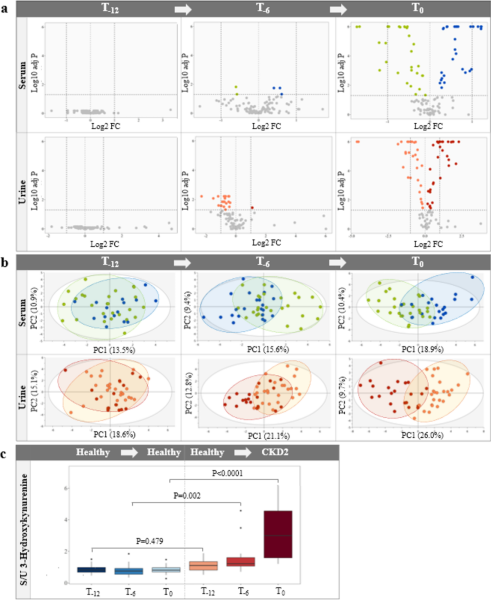
Life expectancy in Chronic Renal Disease in Cats depends on several measurable factors. Disease stage remains the primary determinant because it reflects remaining kidney function. Cats in Stage 2 often live an average of two to three years with proper management, while Stage 3 survival averages may range from one to two years depending on response to therapy. Stage 4 carries a more guarded prognosis due to advanced toxin accumulation and systemic complications. These are averages based on clinical data and individual outcomes vary.
Secondary factors include hydration status, blood pressure control, protein loss in urine, and presence of anemia. Persistent hypertension accelerates kidney damage and increases the risk of retinal detachment or stroke. Proteinuria signals ongoing kidney stress and may require medication such as ACE inhibitors. Anemia develops when damaged kidneys produce less erythropoietin, which affects red blood cell production. Addressing these complications improves comfort and may extend survival.
Owner compliance also influences outcomes. Cats receiving consistent renal support, follow-up testing, and dietary management tend to remain stable longer. Skipping recheck appointments or discontinuing prescribed therapy increases the risk of sudden decline. Chronic Renal Disease in Cats requires ongoing monitoring rather than a one-time treatment. Veterinary guidance tailored to the individual cat remains essential.
Treatment Options and Veterinary Intervention
There is no cure for Chronic Renal Disease in Cats, but structured treatment reduces symptom severity and improves quality of life. Renal prescription diets form the foundation of medical management. These diets contain controlled phosphorus, moderate protein, added omega-three fatty acids, and enhanced palatability. Clinical studies show that cats fed therapeutic renal diets live longer than those on maintenance diets.
Fluid therapy plays a critical role in feline kidney failure management. Subcutaneous fluids administered at home or in a clinic help flush toxins and prevent dehydration. Proper hydration reduces nausea and improves appetite. Veterinarians train owners carefully to ensure safe administration and correct dosage. Fluid therapy schedules vary depending on laboratory values and clinical response.
Medications address secondary complications. Phosphate binders reduce absorption of dietary phosphorus when levels remain elevated. Antihypertensive drugs control blood pressure and protect remaining kidney tissue. Appetite stimulants may be prescribed when weight loss becomes a concern. Treatment plans should always be based on laboratory monitoring and veterinary examination rather than generalized online advice.

The Role of Diet and Renal Support
Nutrition directly influences the progression of Chronic Renal Disease in Cats. High phosphorus accelerates kidney damage, so therapeutic diets maintain lower phosphorus concentrations. Moderately high-quality protein supports muscle mass without excessive nitrogen waste. Omega-3 fatty acids from fish oil may reduce inflammatory processes in kidney tissue. Increased caloric density helps maintain body condition in cats with reduced appetite.
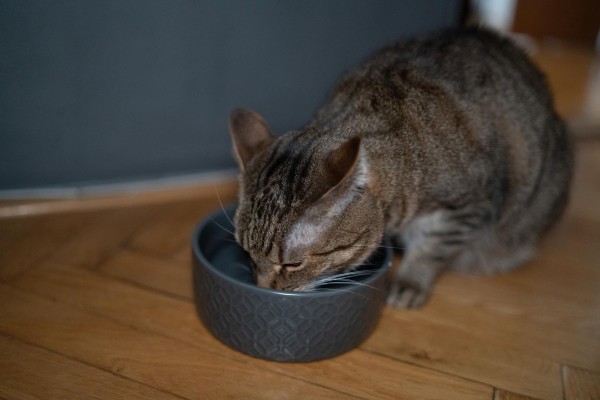
Encouraging water intake remains equally important. Many veterinarians recommend water fountains, multiple bowls, or adding moisture-rich canned renal diets. Hydration dilutes toxins and supports circulation. Dehydrated cats experience worsened clinical signs and higher creatinine levels. Consistent hydration remains a cornerstone of renal support.
Owners seeking broader guidance sometimes explore trusted feline wellness resources to stay informed about senior cat health trends and supportive care strategies. While educational blogs can provide helpful insights, veterinary oversight should always guide treatment decisions. Chronic Renal Disease in Cats requires laboratory monitoring and professional evaluation to ensure safe medical management. Online information should complement, not replace, direct veterinary care. Responsible research combined with clinical supervision leads to better long-term outcomes.
Monitoring Kidney Function Over Time
Ongoing monitoring defines successful management of Chronic Renal Disease in Cats. Bloodwork typically includes creatinine, blood urea nitrogen, phosphorus, potassium, and symmetric dimethylarginine. Urinalysis evaluates concentration ability and protein levels. Blood pressure checks detect hypertension before complications occur. Monitoring frequency depends on disease stage but often occurs every three to six months.
Trend evaluation proves more valuable than isolated test results. A small rise in creatinine over time may signal progression even if the number remains within the reference range. Weight tracking also reveals subtle decline before laboratory changes appear. Appetite shifts, vomiting frequency, and litter box habits provide important clinical clues. Owners who maintain detailed home observations often help veterinarians intervene earlier.
Advanced imaging such as ultrasound may be recommended in certain cases. Imaging can identify structural abnormalities, stones, or concurrent disease. Not every cat requires imaging, but it adds valuable context when laboratory results change rapidly. Chronic Renal Disease in Cats requires individualized monitoring rather than standardized intervals for every patient.
Improving Quality of Life in Senior Cats
Quality of life remains the central goal in managing Chronic Renal Disease in Cats. Comfort measures such as soft bedding, easy access to litter boxes, and stress reduction improve daily Maintaining consistent feeding routines encourages stable appetite. Pain control may be necessary in cases involving concurrent arthritis, which commonly affects senior cats. Addressing other health conditions supports overall resilience.
Emotional well-being also matters. Cats thrive in predictable environments with minimal disruption. Frequent changes in food brands or medication schedules may reduce compliance. Gradual transitions and positive reinforcement improve cooperation. Caregiver patience directly influences the success of long-term treatment.
When disease progresses despite therapy, veterinarians discuss palliative options and humane decision-making. Ethical guidance focuses on comfort rather than prolonging suffering. Chronic Renal Disease in Cats varies widely, so individualized assessment guides these conversations. Open communication between the owner and veterinary team ensures compassionate care.
Action Steps for Cat Owners
If your cat is over seven years old, schedule routine bloodwork even if no symptoms are present. Ask your veterinarian about kidney screening panels that include creatinine and SDMA testing. Transition to a renal diet only under veterinary guidance and monitor acceptance carefully. Track water intake, appetite, weight, and litter box changes to detect early shifts. Commit to regular recheck appointments because Chronic Renal Disease in Cats requires ongoing management rather than a one-time treatment.
Chronic Renal Disease in Cats remains common but manageable with informed care. Early detection, structured nutrition, hydration support, and consistent monitoring extend both lifespan and comfort. Veterinary intervention tailored to disease stage provides measurable benefits. Owners who stay engaged and proactive often see better outcomes. Responsible, evidence-based management gives senior cats the best chance at stable, dignified aging.