
The Benefits Gap: Why SMB Lose Talent to Bigger Employers (and How Some Close It)
February 13, 2026Kaushik Srinivasan Iyengar Launches BusinessNewsWire.org Under Globe PR Wire to Expand Digital Business Coverage
February 14, 2026
Every cat owner should understand what is normal and what signals danger when it comes to litter tray habits. Questions about how long a cat can go without peeing or pooping are common, especially when a usually predictable routine suddenly changes. Bathroom behavior reflects hydration, diet, stress levels, and overall health. A delay of a few hours may not raise concern, but prolonged absence of urine or stool can point to a serious and potentially life-threatening condition. Knowing the timeline and the warning signs can make the difference between early treatment and emergency intervention.
Cats are skilled at masking discomfort. In the wild, visible weakness attracts predators. Domestic cats retain this instinct, so subtle changes often precede obvious illness. Owners who monitor litter habits closely are far more likely to detect issues early and protect long-term health.
Normal Bathroom Habits in Healthy Cats
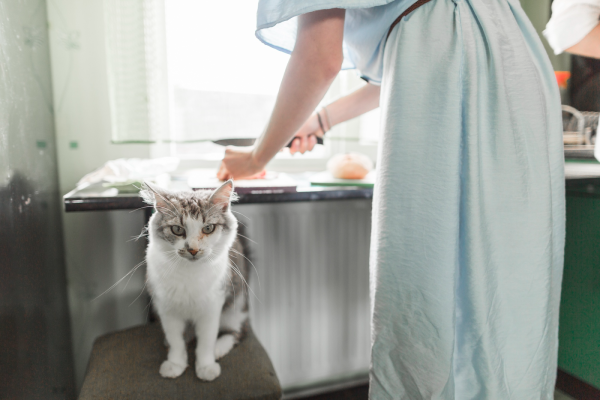
A healthy adult cat typically urinates every four to six hours. Some cats may go slightly longer overnight, especially if they sleep through the night and eat less during that period. The total volume depends on water intake, diet type, and body weight. Cats fed wet food often urinate more frequently because canned diets contain higher moisture content. Cats eating dry kibble may produce smaller, more concentrated urine unless they drink sufficient water.
Defecation usually occurs once daily. Some healthy cats pass stool every thirty-six hours, particularly if they consume highly digestible diets. Kittens may go more often due to faster metabolism. Senior cats can be slightly less predictable but should still maintain a regular pattern.
Consistency matters as much as frequency. Urine should be pale yellow and clump normally in the litter. Stool should be firm but not hard, moist but not loose. Sudden changes in color, size, odor, or effort during elimination warrant attention.
Hydration strongly influences these patterns. Cats evolved from desert ancestors and naturally have a low thirst drive. They rely on prey moisture. Domestic environments require owners to compensate for this biology. Fresh water sources, clean bowls, and sometimes water fountains help maintain steady urine output.
Stress also plays a role. A move to a new home, introduction of another pet, or change in routine may cause a temporary delay. Short-term stress may reduce appetite and slow bowel movement for a day. However, prolonged absence is never normal.
When Is It a Medical Emergency?
If a cat has not urinated within twenty-four hours, immediate veterinary attention is advised. Waiting beyond this point increases the risk of bladder distension, toxin buildup, and kidney damage. Male cats are particularly vulnerable to urethral obstruction, where crystals or debris block the narrow urethra. This condition can become fatal within forty-eight hours if untreated.
Signs of urinary blockage include repeated trips to the litter tray with little or no output, crying while attempting to urinate, licking the genital area excessively, lethargy, and vomiting. The abdomen may feel firm or painful. This is an emergency that requires prompt medical care, often including catheterization and hospitalization.
A cat that has not passed stool for more than forty-eight hours may be constipated. Mild constipation can often be managed with veterinary guidance, but prolonged retention can progress to obstipation, where the colon becomes severely distended and unable to contract effectively. Chronic cases may lead to megacolon, a serious structural disorder.
Straining without producing stool, passing small hard pellets, loss of appetite, and discomfort are warning signs. Blood in stool or severe abdominal pain requires urgent evaluation.
Urinary tract infections can also reduce output. Infections cause inflammation and pain, leading to frequent attempts with minimal urine. Unlike obstructions, infections often produce small amounts repeatedly rather than none at all. Both require professional diagnosis.
Understanding the difference between a minor delay and an emergency is critical. A single skipped bowel movement in an otherwise bright and active cat may not demand panic. Absence of urination, especially with visible distress, always demands action.
Causes of Urinary or Digestive Issues
Dehydration is one of the most common contributors to both urinary and digestive problems. Concentrated urine promotes crystal formation. Hard, dry stool results from insufficient water in the colon. Cats that drink poorly and eat mainly dry food are at greater risk.
Diet composition matters. High mineral content in some diets can increase the likelihood of struvite or calcium oxalate crystals. Sudden dietary changes may disrupt gut balance and cause constipation or diarrhea. Fiber levels influence stool consistency. Too little fiber can slow transit, while excessive fiber may cause bulk without adequate hydration.
Stress alters hormone levels and gut motility. A stressed cat may avoid the litter tray if it feels unsafe. Multi-cat households sometimes create subtle territorial tension around shared trays. Cats require adequate tray numbers, ideally one per cat plus one extra, placed in quiet, accessible areas.
Obesity increases the risk of urinary disease and constipation. Overweight cats groom less effectively and may be less active, slowing intestinal movement. Regular exercise stimulates normal bowel function.
Underlying medical conditions can also interfere. Kidney disease changes urine output patterns. Diabetes increases urination frequency but may also mask dehydration. Neurological disorders affect bladder control. Arthritis may make litter tray access painful, leading to avoidance and retention.
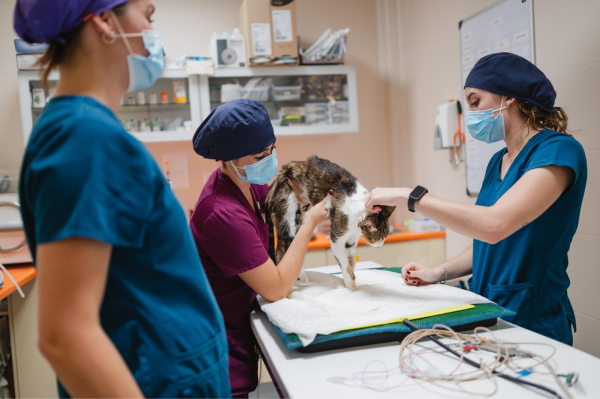
Crystals and bladder stones form when urine becomes overly concentrated or when pH shifts unfavorably. These mineral deposits irritate the bladder lining and can obstruct urine flow. Veterinary analysis of urine samples helps determine the type and guide dietary management.
Parasites and inflammatory bowel disease affect stool quality. Chronic constipation in older cats may reflect reduced colon muscle strength. Identifying the root cause requires examination, medical history, and sometimes imaging such as ultrasound or radiography.
Prevention and Monitoring Tips
Preventive care begins with observation. Litter tracking allows owners to notice changes early. Clumping litter makes it easier to measure urine volume visually. Count clumps daily if concerned. Monitor stool frequency and texture. Subtle reduction over several days may precede complete absence.
Hydration should be a priority. Provide multiple water sources in different rooms. Clean bowls daily. Consider water fountains, which encourage drinking through moving water. Adding wet food to the diet significantly increases moisture intake. Some owners mix a small amount of warm water into canned food to further boost hydration.
Routine veterinary examinations help detect early urinary crystals or kidney changes before symptoms appear. Annual urinalysis for adult cats and biannual checks for seniors support early intervention.
Weight management reduces strain on the digestive system. Encourage play sessions that stimulate movement. Interactive toys and climbing structures promote activity indoors.
Environmental stability lowers stress. Maintain consistent feeding times and litter tray placement. Introduce changes gradually. In multi-cat homes, ensure each cat has private access to resources.
Technology increasingly supports preventive care. AI-based pet health awareness platforms analyze behavior patterns and flag unusual changes before they escalate. Educational resources such as AI driven pet health awareness platforms explore how digital tools enhance early detection in companion animals. While these tools do not replace veterinary care, they empower owners to recognize trends and act promptly.
Keep records of appetite, water intake, and elimination frequency if your cat has a history of urinary or digestive problems. Patterns often reveal triggers. Early veterinary advice is always safer than a delayed response.
Recognizing the warning signs associated with how long a cat can go without peeing/pooping protects your pet from avoidable suffering. Cats rely entirely on attentive owners to detect silent problems. Regular monitoring, adequate hydration, balanced nutrition, and timely veterinary care form the foundation of urinary and digestive health. When bathroom habits change, treat it as meaningful information rather than inconvenience. Prompt action preserves comfort, organ function, and quality of life for years to come.
