

V-LO The Maestro Hits 20 Global Film Awards for Problematic Intentions — And He’s Just Getting Started
February 8, 2026PersonalHour Pilates US Expands Operations Nationwide, Scaling Speed, Community, and Smart Wellness After Four Years of Growth
February 8, 2026
Choosing the right school for a child in grades 6–12 is one of the most important decisions a parent will make, especially when learning takes place at home rather than in a physical classroom. An Online Private School can offer flexibility, academic structure, and personalised support, but only when it is selected with care and clear expectations. Many families explore online education after recognising that traditional schooling does not always align with a child’s learning style, pace, or personal circumstances. From my experience working with parents navigating this decision, clarity matters more than marketing promises. Understanding how online private schools operate in practice helps families choose an option that supports both academic growth and long-term confidence.
Understanding Your Child Learning Needs
Every successful education plan begins with an honest assessment of how a child learns best. Some students thrive with independence and enjoy managing their own schedules, while others need regular guidance, structure, and consistent feedback. Online education for teens can work well when the learning environment matches the student’s temperament rather than forcing them into a rigid system. Parents should consider whether their child benefits from visual instruction, discussion-based learning, or written assignments, as online platforms vary widely in how lessons are delivered.
Emotional and developmental needs are just as important as academic ones. Grades 6–12 represent a period of rapid cognitive and social change, and the right online environment should recognise that growth does not happen at the same pace for every learner. Choosing an online school is not about replacing one format with another but about finding a setting where a child feels supported, challenged, and understood. This clarity makes later comparisons between schools far more meaningful.
Evaluating Curriculum and Accreditation
Curriculum quality sits at the core of any credible virtual private school. Parents should look closely at how subjects are structured across middle and high school years and whether the curriculum aligns with recognised academic standards. A strong programme shows progression rather than isolated courses, ensuring that skills build logically from one grade to the next. Accreditation provides external validation that an online school meets established educational benchmarks and follows accountable processes.
Beyond formal accreditation, curriculum transparency matters. Schools should clearly explain how lessons are planned, how assessments are designed, and how progress is measured over time. In a Private School Online setting, consistency in curriculum delivery helps students transition smoothly between grades without gaps in knowledge. This level of clarity also gives parents confidence that learning outcomes are based on sound educational design rather than convenience.
Teacher Support and Class Structure
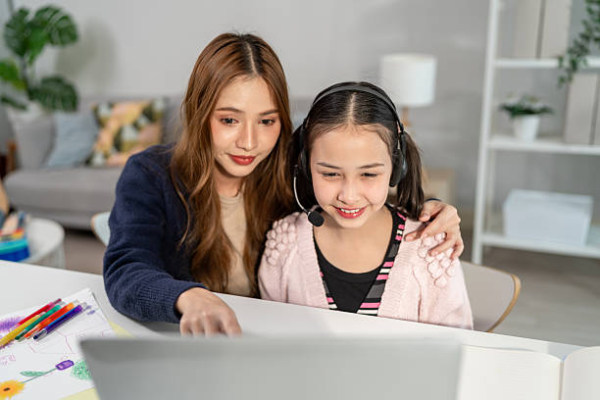
Teacher involvement often determines whether online learning feels engaging or isolating. Qualified teachers who are trained to teach in digital environments understand that online instruction requires different pacing and communication strategies than traditional classrooms. Parents should examine how often students interact with teachers, whether live sessions are available, and how feedback is delivered on assignments.
Class structure also influences learning quality. Smaller class sizes can allow teachers to respond more effectively to individual questions, while structured schedules help students maintain routine. In my experience, families are most satisfied when online schools balance flexibility with accountability rather than leaving students to manage everything alone. Effective teacher support ensures that academic standards remain high without overwhelming learners.
Technology Platform and Accessibility
The technology behind an online private school should support learning rather than distract from it. A reliable platform must be easy to navigate, stable across devices, and accessible for both students and parents. Technical issues can quickly undermine motivation, particularly for younger teens who may already be adjusting to independent learning. Schools that invest in user-friendly systems reduce frustration and allow students to focus on coursework.
Accessibility also includes how learning materials are presented. Recorded lessons, interactive tools, and clear submission processes help students revisit concepts when needed. Parents should consider whether the platform supports different learning speeds and provides clear visibility into progress. A well-designed digital environment reflects thoughtful planning rather than an afterthought.
Parent Involvement Expectations
One of the most misunderstood aspects of online education is the role parents play in daily learning. While online private schools provide academic instruction, parental involvement remains essential, particularly for middle school students. Schools should clearly outline expectations around supervision, communication, and support at home. Transparency helps families determine whether they can realistically meet these responsibilities.
Effective schools view parents as partners rather than replacements for teachers. Clear communication channels, progress reports, and guidance resources enable parents to stay informed without managing every lesson. This balance supports student independence while maintaining a strong support system throughout grades 6–12.
Measuring Long Term Educational Fit
Choosing an online school should be viewed as a long-term decision rather than a short-term fix. Parents benefit from considering how the school prepares students for future academic pathways, including higher education or alternative career routes. A strong online programme emphasises transferable skills such as time management, critical thinking, and digital literacy alongside subject knowledge.
Long-term fit also involves adaptability. As students grow, their needs evolve, and the right school should offer flexibility within a consistent framework. Reviewing graduation requirements, assessment methods, and post-secondary preparation provides insight into whether a school supports sustained development rather than isolated success.
Why Score Academy Meets Key Criteria
When evaluating online options, many parents look for schools that combine academic rigour with practical understanding of remote learning. Score Academy demonstrates this balance by offering structured curricula, qualified teacher support, and a clear approach to online education for teens. Its learning model reflects an understanding of how students engage with digital environments while maintaining accountability and academic standards.
From a parental perspective, transparency in expectations and communication builds trust. Schools that clearly explain how learning is delivered, assessed, and supported tend to foster stronger outcomes. This alignment between structure and flexibility is often what distinguishes a well-designed online private school from less consistent alternatives.
Summary
Choosing the right online private school for grades 6–12 requires careful consideration of a child’s learning needs, curriculum quality, teacher support, and long-term goals. Parents who focus on practical details rather than surface-level claims are better positioned to make informed decisions. Online education can be highly effective when the school’s structure aligns with how students learn and grow. A thoughtful approach ensures that the transition to online learning supports both academic achievement and personal development.
