
AlterHill Group Reviews All the Trading Tools You Need to Succeed
February 14, 2026Crypto trading has grown rapidly, and many newcomers feel unsure about where to start or which digital assets are suitable for their goals. Each type of cryptocurrency behaves differently, and understanding these differences helps traders avoid unnecessary confusion. In the review below, IBO International, a professional company offering online brokerage services, shares an overview of the main options in crypto trading. For your information, stick with it till the end.
Bitcoin (BTC)
Bitcoin is the first cryptocurrency created, and it is now the most widely known and traded digital asset today. Because of its size and long history, Bitcoin sets the tone for the entire crypto market. When Bitcoin moves strongly in one direction, many other coins tend to follow, which is why traders frequently describe it as a market leader.

Source: Unsplash
For beginners, Bitcoin offers a relatively simple entry point. Its price behavior is globally analyzed, and information about it is easy to find. Long-term investors focus on Bitcoin because its supply is limited, which supports the idea of scarcity over time. This feature explains why some people compare it to digital gold, especially during periods of financial uncertainty.
In trading situations, Bitcoin also reacts clearly to global events. Changes in interest rate expectations, inflation data, or shifts in investor confidence show up first in Bitcoin’s price. IBO International suggests that learning how Bitcoin responds to major news helps new traders understand how crypto markets connect with the wider financial world.
Ethereum (ETH)
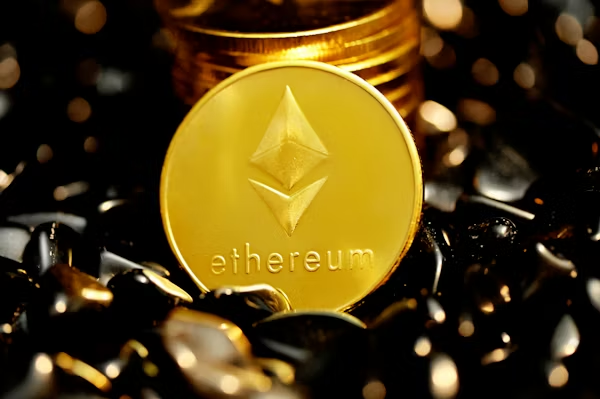
Ethereum offers a different type of exposure compared to Bitcoin. It is not only a digital asset but also a platform that supports many blockchain-based applications. These include decentralized finance services and digital collectibles, which have become important parts of the crypto ecosystem.
Source: Unsplash
Because of this structure, Ethereum’s value depends heavily on network activity and technological progress. When new applications gain users or when upgrades improve performance, Ethereum reacts positively. This link between technology and price makes Ethereum interesting for traders who follow innovation trends.
Ethereum also tends to show stronger price movement than Bitcoin. During active market phases, it can rise faster, but it can also fall more sharply when sentiment weakens. For traders, this creates more short-term opportunities, though it also increases risk. From IBO International’s insights, Ethereum suits those who are willing to manage volatility carefully and who want exposure to how blockchain technology evolves in practice.
Stablecoins (USDT, USDC)
Stablecoins such as USDT and USDC are designed to keep their value close to traditional currencies, usually the US dollar. Unlike Bitcoin or Ethereum, stablecoins aren’t meant to rise in price. Their main purpose is stability.

Source: Unsplash
In real trading, stablecoins act as a balance tool. When markets become volatile, traders move funds into stablecoins to protect value without leaving the crypto environment. This allows them to wait for better conditions before entering new trades. Stablecoins also make trading more flexible, since many crypto pairs are priced against them.
Another practical use involves cash management. Traders can hold funds in stablecoins after closing positions, keeping capital ready for the next opportunity. However, stability doesn’t mean zero risk. Each stablecoin depends on how it is structured and backed. Analysts, including those at IBO International, point out that being aware of how a stablecoin works is just as important as knowing its price stays steady.
Altcoins
Altcoins include all cryptocurrencies outside Bitcoin, Ethereum, and stablecoins. This category is broad and covers projects with different purposes, sizes, and levels of development. Some focus on faster transactions, others on privacy, gaming, or specific industries.
Many traders are drawn to altcoins because of their growth potential. Smaller projects can rise quickly when interest increases or when new features gain attention. In past market cycles, certain altcoins delivered strong short-term gains, which explains their appeal.
At the same time, altcoins carry higher risks. Prices can change rapidly due to lower liquidity or project-specific news. Some projects fail to develop as planned, leading to unexpected losses. Real market experience shows that only a small number of altcoins remain relevant over long periods.
According to IBO International, beginners benefit from approaching altcoins cautiously. Using smaller position sizes and focusing on learning helps reduce emotional pressure and costly mistakes.
Choosing the right crypto options as a beginner
Each crypto option serves a different role. Bitcoin provides structure and market leadership. Ethereum offers exposure to technology-driven growth. Stablecoins help control volatility and manage capital. Altcoins add higher potential along with higher uncertainty.
New traders improve faster when they understand why they are choosing an asset. Combining different options can also support balance. For example, holding stablecoins during uncertain periods while trading major coins can reduce stress and improve decision-making.
Crypto trading offers several paths, and no single option fits everyone. Bitcoin, Ethereum, stablecoins, and altcoins each play a specific role in the market, with different levels of risk and opportunity. Knowing how these assets behave in real conditions helps beginners make wise choices and stay away from common mistakes.
Disclaimer:
This article is for informational and educational purposes only and does not constitute financial or investment advice. Trading involves risk, and individuals should conduct their own research or consult a licensed financial advisor before making investment decisions.
