
New industry survey reveals a dramatic shift in the challenges confronting Bulgarian hoteliers heading into 2025–26, and the numbers tell a story of a sector under real pressure.
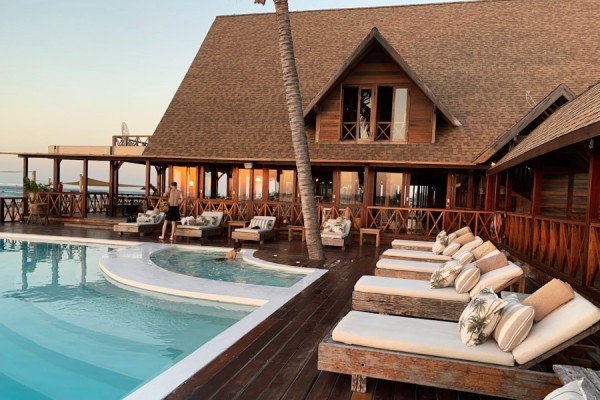
Bulgaria’s hotel sector, from Black Sea coastal resorts to mountain retreats, is navigating rising operational costs heading into 2025–26.
For years, the conversation inside Bulgaria’s hotel boardrooms began the same way: not enough staff. The labor gap defined the industry’s struggles, shaped government lobbying, and dominated every annual survey. That changed in early 2026. For the first time, rising prices and inflation have surpassed staff shortages as the number one challenge facing Bulgarian hoteliers, and the shift has sent a clear signal about where the sector is heading.
According to the annual Business Climate in the Hotel Industry 2025/26 survey, conducted in February by the Hotel Forum (HTIF) and the Bulgarian Association of Hotel Executives (BAHE), more than one third of hotel operators now identify inflation and the surging cost of goods and services as their primary business obstacle. Staff shortages, the perennial leader, slipped to second place at 28%. The Bulgarian news coverage of this shift has been wide, but the full picture is more nuanced than any single headline can capture.

A Structural Problem, Not a Temporary Blip
Bulgaria’s annual inflation rate stood at 5% in December 2025, according to official data, but that headline figure masks much sharper increases in sectors relevant to hotel operations. Prices for restaurants and hotels specifically rose by nearly 10% year-on-year. Energy, food supply chains, maintenance contracts, and every line item on a hotel’s P&L sheet have felt upward pressure for more than two consecutive years.
The key issue here is the pressure from both sides: the costs are going up, and the market is not always prepared to pay more. Almost two out of three Bulgarian hoteliers have adjusted their room prices in accordance with the inflation rate over the last year, but the majority have done this with increases of less than 10%. A fifth have not increased their prices at all and have covered the price difference internally.
This is not a phenomenon exclusive to Bulgaria. In all of Central and Eastern Europe, the hospitality industry has had to contend with lingering inflationary pressures since the pandemic. Bulgaria’s situation is complicated by the fact that it is a highly seasonal business. The Black Sea coast and the mountain resorts do the bulk of their business in a very small window. If the summer is bad or the winter is not good, there is very little left over for the rest of the year.
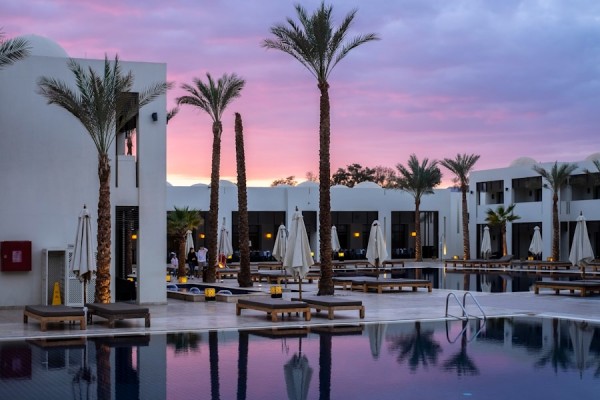
Hotels across Europe are adapting pricing strategies to cope with sustained inflationary pressure. Bulgaria’s hoteliers face one of the sharpest cost-to-revenue balancing acts in the region.
Occupancy: A Market Holding Its Ground, For Now
Despite the cost pressures, demand has not collapsed. The HTIF-BAHE survey shows that in 2025, nearly 40% of Bulgarian hotels reported annual occupancy rates between 50% and 70%. A further 28% exceeded the 70% mark, a figure worth noting given the country’s strong seasonal dependency. Only 26% reported occupancy falling below 50%.
These figures indicate that the market is, by most regional standards, performing reasonably well. Bulgaria has been helped by the increased interest from the Romanian, British, and German tourist markets, which have demonstrated an increased desire to visit the country due to the prices in the Western European markets becoming untenable.
However, the actual figures on occupancy do not tell the whole story. Revenue per available room and actual profitability are also determined by the actual costs incurred to achieve the actual figures. If the costs of utility bills, food and beverage costs, and maintenance have all increased by 8-12% on an annual basis, then the actual figures on occupancy may not necessarily translate into profitability.
The Labor Question Hasn’t Gone Away
The fact that the problem of staff shortages fell from the top to the second spot does not mean that the problem has been solved but rather that there is a new kind of crisis that is dominating the scene, not the solution to the previous one. Bulgaria still struggles with the problem of a shrinking workforce, emigration of skilled personnel to Western Europe, and the difficulty of finding qualified staff in the hospitality industry and offering them a decent salary.
The BAHE has previously noted that wage growth, while necessary, cannot continue indefinitely without directly feeding into room rate increases, creating yet another inflationary loop. The sector’s ability to hire from non-EU labor markets has also been constrained by administrative bottlenecks in Bulgarian consular offices, further limiting the pool of available workers.
Industry observers tracking these shifts point to broader structural questions about sustainability and long-term competitiveness. In recent editorial commentary and sector breakdowns published under BurgasMedia Analysis, analysts have examined how inflation, wage dynamics, and seasonal dependency are reshaping the financial resilience of Bulgaria’s hospitality businesses.
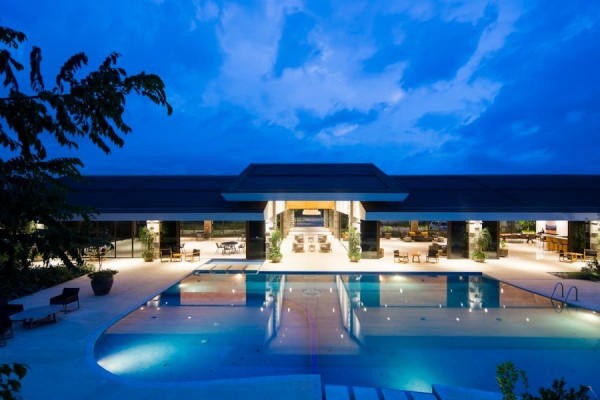
Bulgaria’s mountain and ski resort sector faces the same cost pressures as its coastal counterpart, with the added challenge of short operating seasons that must generate year-round returns.
What This Means for Travelers and Investors
For travelers, the practical implication is straightforward: Bulgaria remains one of the most affordable hospitality destinations in Europe, a fact recognized internationally, with the country recently ranked among Europe’s top seven most affordable seaside destinations. But the price advantage is narrowing. Budget travelers who discovered Bulgaria in the mid-2010s as an almost impossibly cheap alternative to Croatia or Greece will find the gap has closed.
For investors and industry watchers, the survey results point to a sector in genuine structural transition. The hotels that will survive and grow over the next five years are those that invest in operational efficiency, diversify their revenue streams beyond peak-season bednights, and build enough brand loyalty to justify rate increases without bleeding occupancy.
The broader economic context adds a further dimension to the significance. Bulgaria is in the process of moving to the Euro currency, a process that is to be complete by the end of 2026. That process, and the price transparency that comes with it, will undoubtedly add to the sense of urgency in the sector to get its cost and profitability issues resolved before it has to face a potentially more exposed European market.
The Road Ahead
The HTIF-BAHE survey paints a picture of an industry that is adapting, but under pressure and without much room for error. The structural challenges are real: inflation, labor costs, seasonality, and the looming test of euro adoption. So are the opportunities: growing inbound tourism, a globally competitive price point, and a diverse geography that spans beach, mountain, and cultural heritage destinations within a single small country.
Whether Bulgaria’s hotel sector emerges from the 2025–26 season stronger or weaker will depend in large part on decisions being made right now in pricing committees, boardrooms, and government ministries. The data, at least, is clear. The era in which inflation was someone else’s problem is over.
For ongoing coverage and in-depth analysis of Bulgaria’s economic landscape, Bulgarian news platform BurgasMedia continues to track developments across the country’s key industries.