
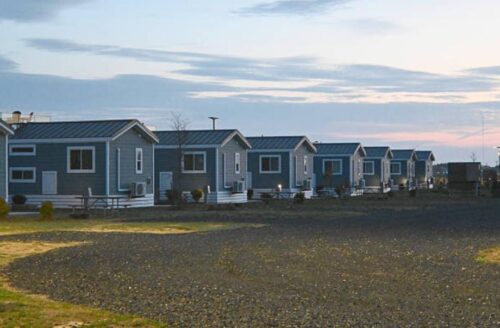
In the United States and Canada, more people are thinking differently about how they live. Big houses with large rooms used to be the dream. Today, many people are choosing something much smaller. These are called tiny homes — compact living spaces with all the basics, but designed to be efficient, affordable, and eco-friendly.
One company that stands out in this growing movement is Kaldees. Kaldees is a brand and company that designs, builds, and sells tiny homes, prefab houses, cabins, and mobile living spaces for modern lifestyles. They offer choices that fit many needs — from full-time living to weekend getaways or off-grid retreats.
What Are Tiny Homes?
Tiny homes are small houses that pack essential living spaces — like a bedroom, kitchen, and bathroom — into a much smaller footprint than a typical home. Most tiny homes range from around 100 to 400 square feet but can vary depending on the design.
People choose tiny homes for many reasons. Some want to lower their cost of living. Some want to reduce environmental impact. Others are drawn to the freedom and simplicity that small-space living can offer. There are even tiny homes on wheels that can move from place to place.
Who Is Kaldees?
Kaldees began when a small team asked a simple question: Why is owning or building a home so difficult and expensive? They saw many people struggle with high costs, long construction timelines, and limited housing options. Some people wanted a smaller, smarter living space. Yet many tiny home options were either too costly or poorly made.
To solve this problem, Kaldees started offering affordable, high-quality tiny homes, prefab houses, kit homes, and cabins that are easier to buy and build than traditional housing. The company’s mission is to help more people around the US and Canada access homes that are affordable, modern, and practical.
Kaldees products include tiny houses, prefab cabins, mobile homes and models that can be built on wheels or on a foundation. Many of these homes are designed with energy-efficient materials and layouts that make the most of every square foot.
Why Tiny Homes Are Becoming Popular
Tiny homes are no longer just a niche idea. Across North America, they are becoming a real housing choice for many people. Here’s why:
- Affordability
Traditional housing prices have continued to rise in many major cities and rural areas alike. For many families and individuals, a tiny home is a more affordable way to own property and reduce monthly housing costs. Because tiny homes are smaller and often simpler to build, they usually cost much less than traditional houses. - Simpler Living
Tiny homes encourage people to focus on what they really need. With limited space, excess belongings are reduced. This can lead to a more mindful, less stressful lifestyle. Many people report feeling freer and more relaxed in a smaller, well-organized space. - Eco-Friendly and Sustainable
Using fewer materials and less energy makes tiny homes a greener choice. Heating and cooling a tiny home takes far less energy than a larger house. Some tiny homes also include solar panels or other sustainable features to lower their environmental footprint. - Flexibility and Mobility
Many tiny homes are built on wheels. This means owners can travel, explore new areas, and even work remotely from different locations. For outdoor lovers and digital nomads, this freedom is a big part of the appeal. - Retirement and Second Homes
Retirees are also choosing tiny homes. A smaller living space can be easier to maintain and cheaper to operate for those living on fixed incomes. Some use them as cabins or vacation homes in peaceful locations.
Kaldees in the Tiny Home Movement
Kaldees is an example of how companies are responding to these changing housing needs. They offer tiny homes that are not just small, but practical and stylish. Their cabins and houses are built to be comfortable and energy-efficient, whether you live in them full time or use them as a retreat.
Their tiny homes come in different sizes and configurations. Some are basic and affordable, while others include more features for longer stays. They also offer homes with kitchens, bathrooms, and smart layouts that make the space feel bigger than it is.
The company has seen positive customer feedback online. Many buyers say the tiny homes are well-made and affordable for what they get — a complete, usable living space that doesn’t break the budget.
Challenges in the Tiny Home Trend
Despite the benefits, the tiny home movement still faces hurdles. Building codes and rules vary widely across states and provinces. In some areas, tiny homes must meet strict regulations before they can be lived in full time. In others, zoning laws make it hard to place a tiny home on a property.
Still, many regions are adapting. Some cities now allow tiny homes as accessory dwelling units (ADUs) — small homes on the same land as a larger house. There are also tiny home communities where residents share common spaces and support one another.
The Future of Tiny Homes
Looking ahead, many experts think the tiny home wave will continue to grow. Young adults priced out of the traditional housing market may turn to tiny homes as their first affordable property. Retirees, remote workers, and eco-minded buyers are also likely to keep choosing smaller, simpler living spaces.
Companies like Kaldees may play a big role in shaping this future. By focusing on affordability, sustainability, and good design, they help make tiny homes a realistic option for many people. If housing costs continue to rise, and if more buyers look for greener ways to live, tiny homes could become an even bigger part of life in the US and Canada.
Conclusion
Tiny homes are more than a trend. They are part of a broader shift in how people think about housing, money, and life priorities. From affordable cabins to mobile homes on wheels, these compact spaces offer a fresh way to live with less and enjoy more.
Kaldees is one of the companies leading this change. With practical designs, eco-friendly features, and a focus on accessibility, they show how tiny homes can work for a wide range of people.
As more North Americans seek smart, sustainable housing options, tiny homes may continue to grow — not just as a choice, but as a movement that reshapes how we build, live, and think about home.