
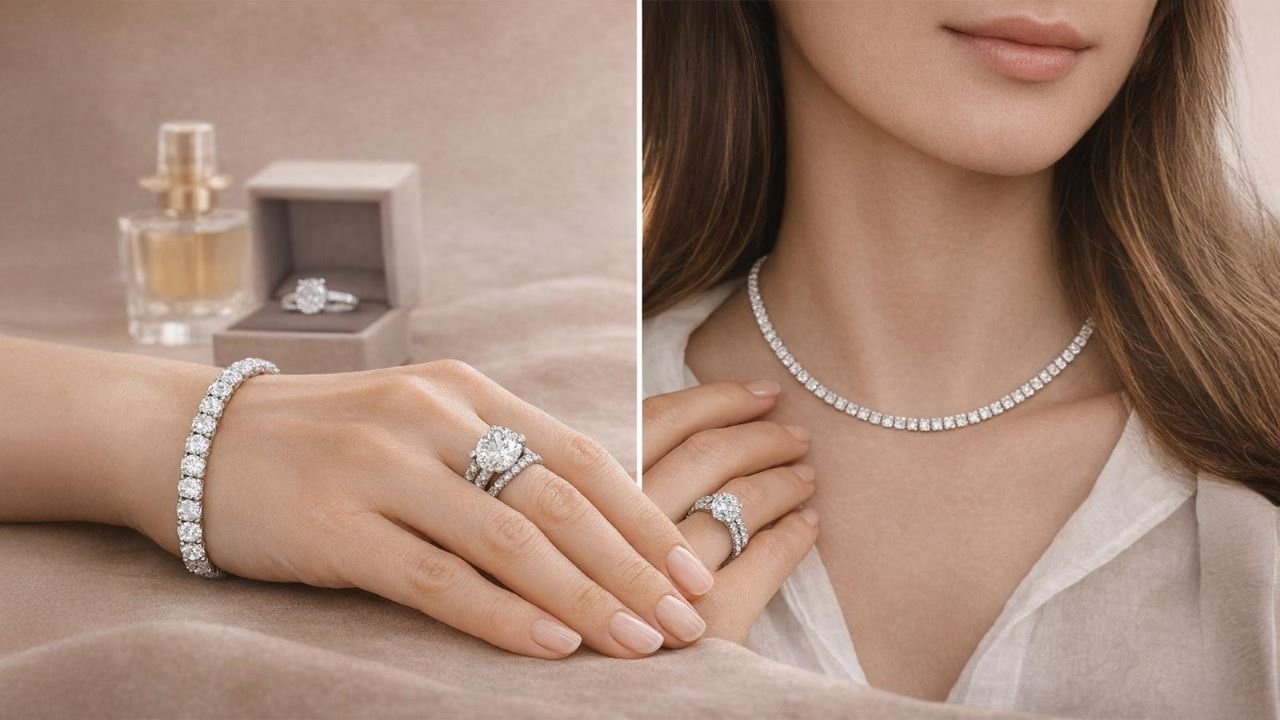
The jewelry industry is undergoing a seismic shift. For decades, the market was defined by “high-end luxury” rare gemstones, heavy gold, and heritage brands. However, as Millennials and Gen Z become the dominant consumer force, the definition of luxury is being rewritten.
Today’s younger buyers are choosing “Accessible Luxury” over traditional status symbols. But what is driving this change, and how are these generations spending their money?
- The Rise of “Quiet Luxury” and Minimalism
Unlike previous generations who preferred large, ornate pieces as a sign of wealth, Millennials and Gen Z are gravitating toward minimalist designs. They prioritize daily wearability, choosing pieces that transition seamlessly from a professional meeting to a social gathering.
Innovative brands like Dvik Jewels are leading this movement by focusing on sleek, modern aesthetics that resonate with the “Quiet Luxury” trend. Their collections emphasize that high-quality craftsmanship doesn’t always need a six-figure price tag to feel premium.
2. The Lab Grown Diamond Revolution
One of the biggest disruptors in the jewelry space is the rise of Lab Grown Diamonds (LGDs). Gen Z, in particular, is highly conscious of the ethical and environmental impact of mining. According to recent market data, nearly 70% of Gen Z consumers would consider a lab grown diamond for an engagement ring.
- Price Point: LGDs offer the same chemical and physical properties as mined diamonds but at a significantly lower cost.
- Ethical Sourcing: The transparency of lab-grown gems aligns perfectly with the “conscious consumerism” values of younger buyers.
3. Sustainability as a Status Symbol
For Millennials and Gen Z, a brand’s ethics are just as important as its aesthetics. They are looking for recycled metals and transparent supply chains. In their eyes, a brand that supports fair trade is often more “luxurious” than a brand with a 100-year history but a murky origin story.
4. Personalization and the “Self-Gifting” Trend
Historically, jewelry was something a woman received as a gift. Today, Self Gifting is a major market driver. Young professionals are buying their own “milestone” jewelry to celebrate career achievements.
This is where brands like Ibling Jewels have found their niche, offering personalized and trend-driven pieces that allow young consumers to express their individuality. By providing accessible price points, they empower buyers to build a jewelry wardrobe that feels unique and personal.
The Bottom Line
The jewelry market is no longer just about the price tag; it’s about value, ethics, and versatility. While heritage luxury brands still hold prestige, the growth is clearly in the “Accessible Luxury” segment. As we move forward, the brands that win will be those that can balance high-quality craftsmanship with a story of sustainability and inclusivity.