
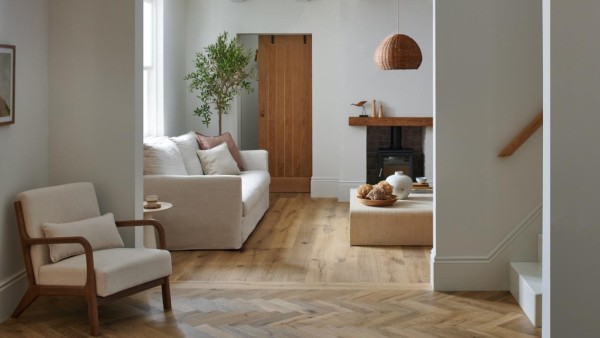
London property owners are reconsidering their flooring options as complaints of flaws in mass-manufactured products keep rising. What used to be viewed as a cheap and easy-to-use alternative is now causing questions in terms of quality, reliability, and cost-effectiveness. This has seen a lot of property owners seeking custom flooring solutions that focus on quality and durability rather than producing high volumes.
Engineered wood, laminate, and vinyl flooring are some products whose demand has increased sharply in recent years because of the high urbanization and renovation rates in the country. The availability of these materials has become common in mass production, and as industry experts observe, the quality can be compromised by the need to meet accelerated production schedules. This is particularly concerning for a high-end home flipper who depends on premium finishes and long-lasting materials to maintain property value and buyer confidence. Homeowners have complained of premature warping, surface delamination, uneven finishes, and decreased moisture resistance.
These flaws may be costly in terms of monetary value. Flooring is not just some ornamental feature, it is a structural and aesthetic component of a house. The replacement cost of flooring materials can easily skyrocket when degradation of the material occurs early, particularly in rooms with heavy foot traffic like living rooms, kitchen rooms and corridors. The quality of flooring can also influence the resale value of property and the perception of buyers in the competitive property market of London.
Lack of uniqueness and homogenization are one significant issue associated with mass-produced flooring. Although standardized production provides visual uniformity, it may not be the same in depth, character and craftmanship that is usually part of traditional wood flooring. Home owners who want unique interiors are becoming disillusioned with artificial or repetitive finishes.
This change in consumer demands has helped to create an increasing fascination with Bespoke wood floor suppliers . Custom flooring permits homeowners to choose a particular species of wood, a finish, a texture, and a treatment to suit the environment and design choices. Custom wood floor manufacturers are also receiving more requests as customers prefer durability and exceptional aesthetics over short-term cost reduction.
According to industry experts, a custom finishing method has both aesthetic and practical benefits. Bespoke processes can include meticulous material choices, treatments, and finishes that contribute to resistance to wear, moisture, and environmental fluctuations. Such detail can be used to extend the life of the flooring dramatically over that of mass-produced alternatives.
Firms like Wood Floor Agency, in their services like bespoke finishing, collaborate with homeowners, designers and developers to design a more customized flooring solution that fits their structural and aesthetic needs. Their style is indicative of an overall industry trend of craftsmanship and customization, especially in the high value residential markets such as London.
Architects and interior designers also say that custom flooring offers more design flexibility. Tailor-made finishes may also be used to match architectural elements, blend in with historic restorations, or form modern designs that are not easily imitated by mass-manufactured materials. This is especially useful in London, where there are old-fashioned townhouses as well as modern apartments.
Another influencer of this shift is sustainability. Individual flooring manufacturers tend to focus on responsible sourcing and extended product life, which can have a longer-term environmental impact. Conversely, damaged flooring of lower quality is often replaced, which adds to the amount of material wastes and increasing life cycles.
The flooring market is changing as the London homeowners are becoming more knowledgeable and quality conscious. Although mass-produced alternatives will probably stay in demand due to their accessibility, the popularity of customized options is steadily increasing. This tendency shows the wider awareness of the fact that flooring is not only a surface, but a long-term investment in comfort, durability, and property value.
Finally, the shift towards custom flooring is an indication that the priorities have changed not only in terms of convenience and cost, but also in terms of craftsmanship, reliability, and performance.