
Cyberecover Expands Recovery-Focused Trading Infrastructure as Demand Grows for Structured Asset Protection
December 29, 2025Best Meme Coin to Watch: Apeing, SPX6900, Cheems Insights
December 29, 2025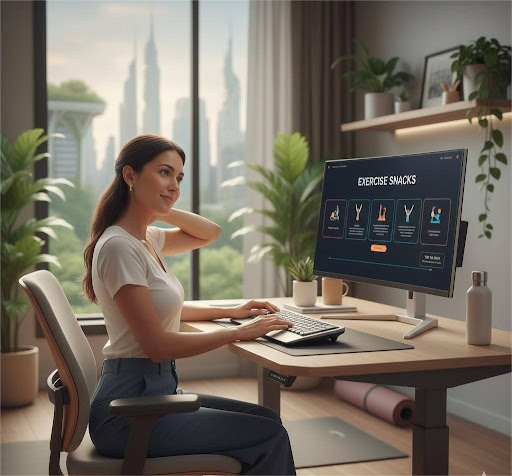
Modern work has transformed the way people use both their minds and bodies. As digital tools become more advanced, physical effort has steadily decreased in most professional roles. By 2026, a large portion of the global workforce will spend the majority of their day seated, focused on screens, and engaged in mentally demanding tasks. While this shift has increased efficiency and flexibility, it has also introduced new challenges related to focus, fatigue, and overall well-being.
One concept that is gaining increasing attention in this context is micro-movements. These small, intentional movements performed throughout the day are emerging as a powerful way to support productivity, mental clarity, and long-term health without disrupting work routines. Understanding the role of micro-movements can help professionals adapt to the realities of modern work while maintaining peak performance.
The Hidden Cost of Prolonged Sitting
Prolonged sitting has become one of the most common features of modern work life. Digital marketers, developers, analysts, writers, and managers often spend hours in the same position, moving only their hands and eyes. While this may seem harmless, extended periods of inactivity place significant strain on the body and mind.
Physically, prolonged sitting can lead to muscle stiffness, reduced circulation, and poor posture. Mentally, it contributes to cognitive fatigue, reduced attention span, and slower decision-making. Over time, these effects accumulate, leading to decreased productivity and increased discomfort.
What makes this issue particularly challenging is that it often goes unnoticed. Many professionals associate fatigue with workload rather than inactivity, missing the opportunity to address the underlying cause.
What Are Micro-Movements?
Micro-movements are brief, low-intensity physical actions that can be performed without interrupting work. These movements may include stretching, standing, light mobility exercises, or simple bodyweight actions that activate muscles and improve circulation.
Unlike traditional workouts, micro-movements do not require special equipment, clothing, or dedicated time slots. They are designed to be woven into the workday, making movement a natural part of daily routines rather than a separate task.
Micro-movements form the foundation of what many now refer to as exercise snacks. By breaking physical activity into small, manageable pieces, professionals can reduce the negative effects of prolonged sitting while maintaining focus on their work.
How Micro-Movements Improve Mental Focus
Mental focus is closely tied to physical state. When the body remains still for long periods, blood flow slows, and oxygen delivery to the brain can decrease. This contributes to mental fog and reduced alertness.
Micro-movements help counteract this process. Even short bouts of movement increase circulation, delivering fresh oxygen and nutrients to the brain. This physiological response supports improved concentration and faster cognitive processing.
Professionals often report feeling more alert and engaged after brief movement breaks. Rather than viewing these moments as distractions, they can be seen as tools for maintaining consistent mental performance throughout the day.
The Productivity Advantage of Small Movements
Productivity is not just about working longer hours; it is about maintaining quality and efficiency over time. Micro-movements play a crucial role in sustaining productivity by preventing energy dips and reducing physical discomfort.
When discomfort builds up, attention naturally shifts away from tasks. Adjusting posture, stretching, or standing briefly helps reset the body, allowing professionals to return to work with renewed focus.
In knowledge-based roles, where output depends on clarity and creativity, this advantage becomes particularly important. Micro-movements act as short resets that help maintain momentum without breaking workflow.
Why Micro-Movements Fit Modern Workflows
One of the main reasons micro-movements are gaining popularity is their compatibility with modern workflows. Today’s work is often task-based rather than time-based. Professionals move between focused sessions, meetings, and communication tasks throughout the day.
Micro-movements fit naturally into these transitions. A brief movement after completing a task or before starting a new one can become a habitual cue. Over time, these cues reinforce healthy patterns without requiring conscious effort.
This approach aligns well with digital-first roles, where work is flexible but mentally demanding.
Micro-Movements vs Long Breaks
Traditional advice often recommends taking longer breaks to rest or exercise. While these breaks can be beneficial, they are not always practical in busy work environments. Long breaks may feel disruptive or difficult to schedule consistently.
Micro-movements offer a complementary alternative. Instead of relying on infrequent long breaks, professionals can maintain energy through frequent short movements. This approach reduces the buildup of fatigue and supports continuous performance.
Rather than replacing longer breaks entirely, micro-movements enhance daily movement patterns, making overall activity more balanced and sustainable.
Building Consistency Through Simplicity
Consistency is the key to long-term benefits. Micro-movements are effective precisely because they are easy to perform. When movement feels simple and accessible, it is more likely to become a habit.
This principle is central to modern wellness strategies. Instead of aiming for perfection, professionals are encouraged to focus on small, repeatable actions. Over time, these actions compound, leading to meaningful improvements in health and productivity.
A broader perspective on how these habits are shaping future work culture is discussed in the exercise snacks guide for 2026, which explores real-world applications and long-term benefits.
The Role of Technology in Supporting Micro-Movements
Despite understanding the benefits of movement, many professionals still forget to move during busy days. Deep focus, meetings, and deadlines can cause hours to pass without any physical activity.
Technology helps bridge this gap by providing gentle reminders. Instead of relying solely on memory or discipline, digital tools prompt users to take short movement breaks at appropriate intervals.
The Exercise Snacks Chrome Extension is designed to support this behavior. Integrated directly into the browser, it aligns with how professionals work in 2026, offering timely prompts that encourage micro-movements without disrupting productivity.
These reminders transform movement from an afterthought into a consistent part of the workday.
Micro-Movements and Burnout Prevention
Burnout is a growing concern in modern work environments. Long hours, constant connectivity, and high cognitive demands place significant strain on professionals. While micro-movements are not a complete solution, they contribute to burnout prevention by addressing physical stress.
Short movement breaks help release tension, improve posture, and provide mental relief. These small interventions reduce the cumulative stress that builds up during long workdays.
By supporting both physical and mental well-being, micro-movements help professionals maintain balance in demanding roles.
Why Micro-Movements Matter More in 2026
As work becomes increasingly digital, the gap between mental effort and physical activity continues to widen. Micro-movements help bridge this gap by reintroducing movement into daily routines in a realistic way.
In 2026, productivity will depend not only on skills and tools but also on energy management. Professionals who understand how to use micro-movements strategically will be better equipped to sustain focus and performance over time.
This shift reflects a broader change in how success is defined in the workplace. Instead of maximizing output at any cost, the focus is moving toward sustainable performance.
Creating a Healthier Relationship With Work
Micro-movements encourage professionals to listen to their bodies and respond to early signs of fatigue or discomfort. This awareness supports a healthier relationship with work, where well-being is seen as an asset rather than a distraction.
By integrating movement into daily tasks, professionals can remain engaged without sacrificing their health. This balance is essential for long-term career satisfaction and effectiveness.
Final Thoughts
Micro-movements play a critical role in the future of productivity and mental focus. As work continues to evolve, strategies that support both performance and well-being will become increasingly important.
By embracing small, consistent movements throughout the day, professionals can counteract the effects of prolonged sitting, maintain mental clarity, and improve overall quality of work. Supported by simple technology and habit-based approaches, micro-movements represent a practical solution for modern professionals navigating the demands of 2026 and beyond.
