
Healthy hair doesn’t start with expensive products or complicated routines — it begins with your scalp. As the foundation of hair growth, your scalp requires steady blood flow to deliver oxygen, nutrients, and hydration to the follicles. When circulation slows, the results usually show up quickly: shedding increases, strands become weaker, and growth feels stagnant. For many people, dullness, thinning, dryness, and even itchiness trace back to one root issue: poor scalp circulation.
Understanding how scalp circulation works — and how to improve it — can transform the overall health of your hair. This guide explores everything you need to know, from what impacts blood flow to practical ways to enhance it daily.
Why Scalp Circulation Matters
Your hair follicles are small, complex structures that rely on a constant supply of blood to stay healthy. Each follicle is connected to a tiny network of blood vessels, which deliver oxygen and nutrients essential for producing strong hair. When circulation is good, follicles operate at their highest capacity: they grow longer, produce thicker strands, and stay anchored firmly.
When circulation slows, follicles receive fewer nutrients. Hair may enter the resting stage more quickly or shed prematurely. Over time, this can lead to thinning and overall reduced density. A well-circulated scalp is also more balanced: it regulates oil better, resists flakiness, and maintains its natural barrier function.
In other words, circulation isn’t just one part of scalp health — it is the heartbeat of the entire system.
Signs You May Have Poor Scalp Circulation
Poor circulation is rarely dramatic, but it shows up through small, subtle changes:
- You notice more hair fall when brushing or washing.
- Your hair grows more slowly than it used to.
- Your scalp feels tight, itchy, or dry.
- You experience thinning at the temples or crown.
- Your hair looks dull or lifeless.
- Your scalp is sensitive when touched or pressed.
These signs are not always caused by circulation alone, but they often improve when blood flow increases.
How to Improve Scalp Circulation Naturally
Improving scalp circulation doesn’t require medical treatments or complicated tools. With consistent habits, most people notice a difference within weeks.
- Daily Scalp Massage
Scalp massage is one of the simplest and most effective ways to increase circulation. Gentle, consistent pressure stimulates blood flow, relaxes tight tissues, and encourages oxygen to reach the follicles.
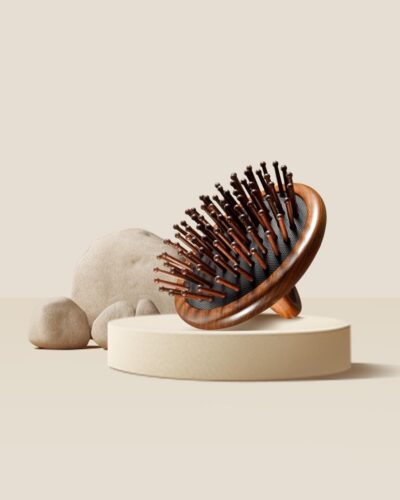
You can use your fingertips or a scalp massager to enhance the effect. A well-designed massager spreads pressure evenly and makes the routine more enjoyable, encouraging consistency. Just a few minutes a day is enough to support better circulation and long-term hair health.
- Warmth Therapy
Heat encourages blood vessels to expand, increasing circulation temporarily. You can use warm techniques like:
- A warm towel wrap
- A warm (not hot) shower
- An occasionally heated hair mask
Warmth relaxes the scalp and helps nutrients travel more efficiently. Pairing warmth with massage delivers even better results.
- 3. Regular Exfoliation
Just like your skin, your scalp can accumulate dead skin cells and product residue. If this buildup becomes too thick, it interferes not only with follicle function but also with blood flow near the surface.
A gentle exfoliating treatment once every 1–2 weeks removes blockages and allows the scalp to “breathe” again. Look for treatments with salicylic acid, fine grains, or natural enzymes — but avoid anything too harsh, as over-scrubbing can cause inflammation.
- 4. Movement and Exercise
General circulation affects scalp circulation. Activities like walking, yoga, and stretching increase heart rate and help blood move toward the head more efficiently.
Certain yoga poses, such as downward dog or forward folds, can temporarily increase blood flow to the scalp. Even 10 minutes of daily movement can make a difference for long-term scalp health.
- Stress Reduction Techniques
Chronic stress constricts blood vessels and reduces circulation throughout the body. Incorporating simple stress-management habits can indirectly support your scalp:
- Deep breathing exercises
- Meditation
- Warm baths
- Light stretching before bed
These activities relax the muscles around your scalp and neck, helping blood circulate more freely.
- 6. Balanced Nutrition for Better Circulation
A healthy scalp thrives when your diet includes:
- Iron (spinach, beans, red meat)
- Omega-3 fatty acids (salmon, flaxseed, walnuts)
- Protein (eggs, tofu, lean meats)
- Vitamins A, C, and E
Hydration is equally important. Without enough water, blood becomes thicker and circulation slows — including in the scalp tissues.
- 7. Choose the Right Scalp Tools
A scalp massager or wooden comb can gently stimulate the scalp without irritation. These tools help:
- Encourage micro-circulation
- Distribute natural oils
- Relax tight areas
- Reduce buildup
While not essential, they are simple ways to elevate your routine and maintain long-term scalp health.
Conclusion
Scalp circulation is the invisible force behind strong, healthy hair. When blood flow is steady, follicles receive the oxygen and nutrients needed to grow thicker, longer strands. When circulation slows, the scalp becomes reactive — dryness, sensitivity, shedding, and dullness often follow.
Fortunately, circulation is something you can improve naturally through daily habits such as massage, exfoliation, gentle brushing, warmth therapy, exercise, and stress reduction. Using tools like a scalp massager can help you stay consistent, but the real key is routine and mindfulness. With just a few minutes of care each day, you can create a healthier scalp environment and support vibrant, resilient hair from the roots outward.