
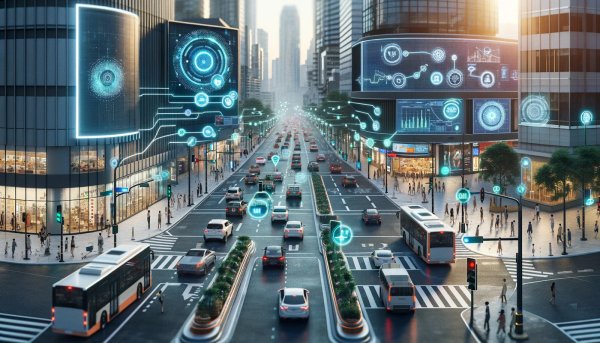
Traffic jams are common, but they are massive in urban areas. Everyone has their own vehicle and conveyance to travel, which creates a huge amount of vehicle movement. But, in this whole scenario, one thing that seems purposeful and beneficial is traffic flow optimization.
It helps you to analyze traffic patterns using smart technologies. It applies predictive models for cities for smoother vehicle movement on the road. In short, it gives support for safer intersections and controls pollution.
After knowing all these benefits, you might be wondering, what is traffic flow optimization? Are there any models, methods and tools that are attached to it?
Let’s explore all the details right away.
What is Traffic Flow Optimization?
This is the practice of improving the movement of vehicles and pedestrians on roads and intersections. Traffic flow optimization helps to create a system that’s safe, efficient and predictable. It basically targets different points to anaylze and implement a better flow of traffic. The focused points are:
- Density of the traffic at different times
- Traffic signals timing
- Design and layout of the roads
- Behavior apttersn of the drivers
- Geographical and weather conditions of any place
There are some of the common variables that matter in the transportation flow management. Most professional companies, such as Pape-Dawson mobility and transportation services in Atlanta, are known for their traffic systems management. They help businesses and municipalities with planning, monitoring, and implementing solutions for the efficient movement of vehicles.
Common Methods for Traffic Flow Optimization
When it comes to traffic flow management and optimization, there are a few methods that are utilized. Some of the most important include:
Traffic Signal Timing and Coordination
Traffic lights and signals are crucial for the traffic flow. Adjusting light cycles along major roads can create green waves that help the cars with smoother and managed movement.
Ramp Metering
Checking all the car entrance details on the highway can help with highway congestion. Ramp metering is supportive for traffic flow management because it uses signals to control the movement on the highway.
Adaptive Traffic Control Systems
There is the use of AI for traffic lights that adjust according to the traffic volume. This traffic control system gives an edge in optimising intersections smoothly.
Congestion Pricing
Keeping an eye on all the unnecessary movements and charging fines can eradicate the maximum traffic flow. It sounds strict, but it will reduce the personal conveyance usage over public transport.
Traffic Incident Management
Accidents and incidents are a common part of the roads. Traffic flow optimization helps to manage these situations. Quick-response teams and dynamic rerouting help restore flow fast.
All these are the most common and useful methods of traffic flow optimization that are used professionally. Pape-Dawson Mobility and transportation services in Atlanta are here with all these methods to make traffic movement smoother, even in dense areas.
Traffic Flow Models: What is the Theory
The main purpose of traffic flow optimization is to predict traffic behaviour. It gives you enough data to plan for the next step and get the best solution.
Macroscopic Models
They are designed to analyze the overall pattern of the traffic on highways and the city network. It gives details about the movement of vehicles all across the city and highways for a better understanding.
Microscopic Models
‘Micro’ means small, and this model focuses on individual vehicles. It explores the driver’s behaviours, lane changes, and interactions for analyzing the minor but impactful points.
Mesoscopic Models
Mesoscopic models are a combination of both macro and micro approaches. It tracks overall trends but focuses on individual vehicle behaviours too for a proper evaluation.
All of these models are made and used as per the needs of the scenario. However, the main core of these methods is to anticipate congestion, plan new roads, and test strategies. They ensure you get better mobility and movement support.
Are There Any Tools and Technologies for Traffic Flow Optimization?
If you are thinking that there are no tools for traffic flow optimization, then you must reread this section to understand what they have for you:
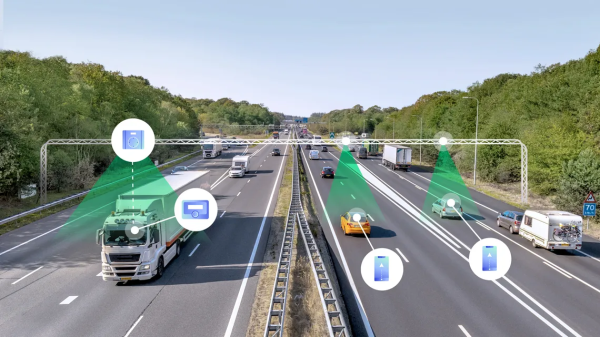
Traffic Sensors and Cameras
They are usually used to collect data about how many vehicles and their speed. Sensors give you an idea about the behaviour of the drivers; that’s why they have turned. While cameras give you visual support, check the real details.
GPS-Based Monitoring
It is more like a tracker because it tracks the vehicles to detect jams and reroute traffic. GPS-based monitoring basically ensures on-the-spot traffic management.
AI and Machine Learning
The use of AI and ML is common in every aspect of life. AI helps you predict congestion before it happens and adjust traffic lights accordingly.
Smart Traffic Signals
These are the signals that are sent to change timing dynamically for traffic flow improvement.
These tools allow cities to act quickly and keep traffic moving efficiently. Companies combine these technologies with expert planning. This ensures roads stay safer, travel times are shorter, and commuters have a smoother experience.
What are the Benefits of Traffic Flow Optimization
As you have read all the details of traffic flow optimization, you must be familiar with its benefits. Here are the main benefits that you can avail from this system:
- It reduces congestion and travel time by helping cars to move smoothly and on time.
- Decrease the emissions by making more vehicles idle to reduce pollution.
- Precautionary support means more safety, helping people by reducing accident risks.
- Supporting predictable travel times that make commuting less stressful.
Traffic flow optimization not only improves traffic, but it also improves city life. It combines technology and expert planning to create safer, greener, and more efficient urban spaces.
Conclusion
Traffic jams are common in every city and country because of modernization and self-dependency. But it is not the thing that can’t be controlled. Approaches like traffic flow optimization is one of the solutions that make it easy to manage. They are efficient, helpful, and last but not least, they are predictable. So, they give you all the support that makes roads safer and traffic smoother.