
Healthcare Technology Trends Shaping Patient Care and Operations
February 10, 2026Belize strengthens regional presence: Dustin Rennie and Luigi Wewege represent the nation at CAF International Economic Forum
February 10, 2026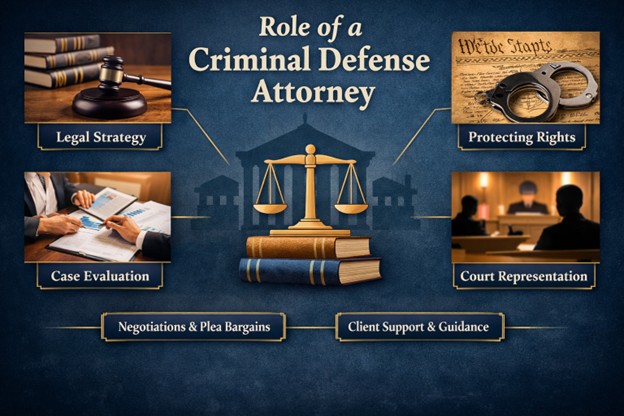
The criminal justice system can be complex, intimidating, and emotionally overwhelming for individuals facing criminal charges. Laws are detailed, procedures are strict, and outcomes can significantly affect a person’s freedom, reputation, and future opportunities. In these situations, criminal defense attorneys play a crucial role in protecting legal rights and ensuring that the justice process functions fairly.
This article explores what criminal defense attorneys do, how they assist clients at different stages of a case, and why legal representation matters—without focusing on any specific firm, attorney, or brand.
What Is a Criminal Defense Attorney?
A criminal defense attorney is a legal professional who represents individuals accused of crimes. These crimes can range from minor misdemeanors to serious felony charges. Defense attorneys work within the legal system to ensure that the accused receives fair treatment under the law and that their constitutional rights are respected throughout the process.
Criminal defense attorneys may represent clients in state or federal courts, depending on the nature of the charge. Their work often begins long before a case reaches trial and may continue even after a verdict is reached.
Core Responsibilities of Defense Attorneys
Defense attorneys handle a wide variety of responsibilities, each essential to building and managing a legal defense. These responsibilities typically include:
Case Evaluation and Legal Guidance
One of the first steps a defense attorney takes is reviewing the details of the case. This includes examining police reports, evidence, witness statements, and charging documents. Based on this review, the attorney explains the legal situation to the client in clear terms, outlining possible outcomes and legal options.
This early guidance helps clients understand what they are facing and what steps may come next.
Protecting Constitutional Rights
Every person accused of a crime has constitutional rights, such as the right to remain silent, the right to legal counsel, and the right to a fair trial. Defense attorneys help ensure these rights are not violated during investigations, interrogations, or court proceedings.
If law enforcement or prosecutors fail to follow proper procedures, defense attorneys may challenge the legality of evidence or actions taken during the case.
Developing a Legal Strategy
Each criminal case is unique. Defense attorneys analyze the facts and applicable laws to develop a defense strategy tailored to the situation. This strategy may involve negotiating with prosecutors, filing legal motions, or preparing for trial.
The goal is not only to respond to accusations but also to anticipate how the prosecution may argue the case.
Negotiation and Plea Discussions
Not all criminal cases go to trial. In many situations, defense attorneys engage in plea discussions with prosecutors. These negotiations may result in reduced charges or alternative sentencing options, depending on the circumstances.
A defense attorney helps the client understand the advantages and risks of any proposed agreement so they can make informed decisions.
Court Representation
When a case proceeds to court, defense attorneys represent their clients during hearings, motions, and trials. This includes presenting arguments, questioning witnesses, challenging evidence, and addressing the judge or jury.
Effective courtroom advocacy requires a deep understanding of criminal law, court procedures, and rules of evidence.
How Defense Attorneys Support Clients Beyond the Courtroom
The role of a defense attorney extends beyond legal arguments and paperwork. Facing criminal charges can be stressful, confusing, and emotionally draining. Defense attorneys often act as guides through the legal process, helping clients understand timelines, expectations, and next steps.
They may also assist with matters such as bail hearings, sentencing advocacy, and post-conviction options, depending on the case outcome.
The Importance of Local Legal Knowledge
Criminal laws and procedures can vary by jurisdiction. Attorneys who work regularly within a specific region are familiar with local court systems, procedural rules, and common practices. This local knowledge can help attorneys navigate cases more efficiently and anticipate how cases are typically handled.
For individuals seeking general legal information related to criminal defense in a specific area, resources discussing a defense attorney Oklahoma City can provide useful context about how defense representation functions within that jurisdiction’s legal framework.
Communication and Client Involvement
Clear communication between attorney and client is essential. Defense attorneys explain legal concepts, keep clients informed of developments, and discuss potential strategies. Clients, in turn, provide important information that may impact the defense.
A strong attorney-client relationship is built on transparency, trust, and collaboration—allowing both parties to work toward the best possible outcome under the law.
Ethical Duties of Defense Attorneys
Criminal defense attorneys are bound by professional ethical standards. These standards require them to act in the best interests of their clients while upholding the integrity of the legal system. Confidentiality, honesty, and competence are fundamental obligations.
Attorneys must also avoid conflicts of interest and ensure that their representation remains focused solely on their client’s legal rights and defense.
Why Legal Representation Matters
The criminal justice system is governed by strict rules and deadlines. Missing a filing date, misunderstanding a procedure, or failing to challenge improper evidence can significantly affect a case. Defense attorneys are trained to navigate these complexities and advocate effectively within the system.
While no attorney can guarantee a specific outcome, legal representation helps ensure that decisions are made based on law, facts, and proper procedure—not confusion or imbalance.
Final Thoughts
Criminal defense attorneys play an essential role in maintaining fairness within the justice system. From protecting constitutional rights to providing informed legal guidance, their work helps ensure that individuals accused of crimes receive due process under the law.
Understanding what defense attorneys do—and how they support clients throughout a case—can help individuals better appreciate the importance of legal advocacy when facing criminal allegations.
