
What Happens to Your Old Electronics After Disposal?
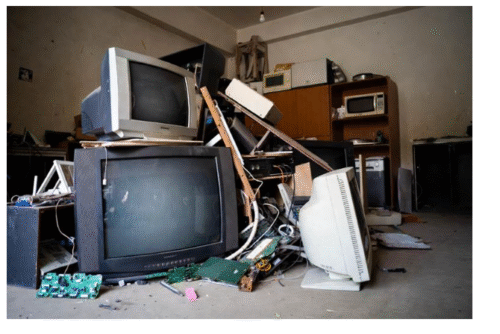
We’ve all been there. An old phone sitting in a drawer. A broken laptop collecting dust. A fridge that finally gave up after years of loyal service. When electronics stop working, most of us don’t think twice—we just want them gone. But have you ever wondered what actually happens to your old electronics after disposal?
The journey of electronic waste, or e-waste, is far more complex—and far more important—than most people realize. Behind every discarded device lies a global system dealing with toxic materials, valuable resources, ethical challenges, and growing environmental pressure.
Let’s take a closer look at where your old electronics really go.
The Growing Mountain of E-Waste
Electronic waste is one of the fastest-growing waste streams in the world. Globally, 20 to 50 million tonnes of e-waste are generated every year, and this number is expected to rise sharply as technology cycles become shorter.
What makes this issue even more alarming is that less than 20% of e-waste is formally recycled. The rest ends up in landfills, is burned, or disappears into informal recycling networks—often with devastating environmental and human consequences.
Yet e-waste isn’t just a pollution problem. It’s also an enormous missed opportunity.
Why Old Electronics Are More Valuable Than You Think
Inside your old phone, TV, or computer is a surprising mix of materials:
- Precious metals like gold, silver, palladium, and platinum
- Base metals such as copper and aluminum
- Plastics, steel, and glass
In fact, one tonne of smartphones contains up to 100 times more gold than a tonne of gold ore. In 2019 alone, an estimated $57 billion worth of valuable materials were lost globally because electronics weren’t recycled properly.
So why does so much value end up wasted?
The Right Way: What Happens in Responsible Recycling Facilities
When electronics are disposed of through legitimate and responsible channels, they go through a carefully managed process designed to protect people, data, and the environment.
- Reuse Comes First
Recycling professionals follow a simple hierarchy: reuse before recycle.
Devices that still function—or can be repaired—are tested, cleaned, and resold. Components like screens, memory units, processors, and power supplies are often harvested and reused, extending the life of electronics and reducing the need for new manufacturing.
- Manual Dismantling and Hazard Removal
Before machines get involved, workers manually remove hazardous components such as:
- Batteries
- Toner cartridges
- Mercury-containing parts
This step is critical. Batteries can cause fires, toner can explode, and heavy metals can contaminate entire recycling lines if not handled correctly.
- Shredding and Advanced Separation
Once hazardous parts are removed, remaining materials are mechanically shredded and passed through advanced sorting systems using:
- Magnets to extract steel
- Eddy currents to separate aluminum
- Electrostatic and infrared technology to sort plastics and circuit boards
The result? Clean streams of copper, steel, plastics, and precious-metal-rich components ready for reprocessing.
This is how old electronics are safely transformed into raw materials for new products.
The Dark Reality: When Electronics Are Not Recycled Properly
Unfortunately, not all electronics take this responsible path.
A significant portion of global e-waste—especially from wealthier countries—is exported to developing regions under the label of “second-hand goods” or “repairable items.” In reality, much of it is junk.
Informal Recycling and Its Human Cost
In places like Ghana and India, informal recycling hubs have emerged where electronics are dismantled by hand—often by children—without protective equipment.
Common practices include:
- Burning cables to extract copper
- Breaking screens and circuit boards with bare hands
- Dumping toxic residue into soil and waterways
These methods release dangerous substances such as lead, mercury, and PCBs into the environment. Studies have found these toxins even in breast milk near informal dumping sites.
This is the hidden cost of improper disposal.
Why Recycling Electronics Is So Hard
If e-waste is so valuable, why isn’t it recycled properly everywhere?
Poor Product Design
Modern electronics are designed to be slim, sealed, and difficult to repair. Glued batteries, fused components, and complex material mixes make disassembly expensive and time-consuming.
High Costs
Proper recycling requires:
- Specialized machinery
- Skilled labor
- Ongoing investment in safety and technology
For unethical operators, exporting e-waste or dumping it illegally is simply cheaper.
Collection Challenges
Millions of devices are scattered across homes and businesses. Without convenient disposal options, many electronics end up in drawers—or worse, in general waste.
Innovation Is Changing the Game
Despite the challenges, the future of e-waste management is not all doom and gloom.
Innovative companies are pushing toward a circular economy, where electronics are designed, used, and reused more responsibly.
Some promising developments include:
- Modular devices designed for easy repair and upgrades
- Electronics rental models that prioritize longevity over sales volume
- Second-life markets for components like solar panels and batteries
- Advanced recycling technologies capable of recovering high-purity materials
These solutions show that change is possible—but only if consumers and businesses make better disposal choices.
Why Safe Disposal Starts With You
So what should you do when your electronics reach the end of their life?
The most important step is choosing secure and responsible disposal services. Using certified and professional providers ensures that:
- Hazardous materials are handled safely
- Valuable resources are recovered
- Data stored on devices is properly destroyed
If you’re looking for a secure and environmentally responsible solution, using a trusted electronic waste disposal service helps ensure your old devices don’t become part of the global e-waste problem.
What About Large and Heavy Electronics?
Items like refrigerators, washing machines, and large office equipment present an additional challenge. They’re bulky, difficult to transport, and often end up illegally dumped because people don’t know how to get rid of them.
This is where professional rubbish removal services make a real difference. Having experts handle collection and disposal not only saves time and effort but also ensures large electronics are processed responsibly instead of being abandoned or landfilled.
The Bottom Line
What happens to your old electronics after disposal depends largely on how you choose to get rid of them.
Handled responsibly, e-waste can:
- Recover valuable materials
- Reduce environmental harm
- Support safer recycling practices worldwide
Handled poorly, it contributes to pollution, health risks, and global inequality.
As consumers, businesses, and communities, making informed disposal choices is one of the simplest yet most impactful ways we can support a cleaner, more circular future.
Because your old electronics don’t just disappear—and where they end up matters more than you think.