
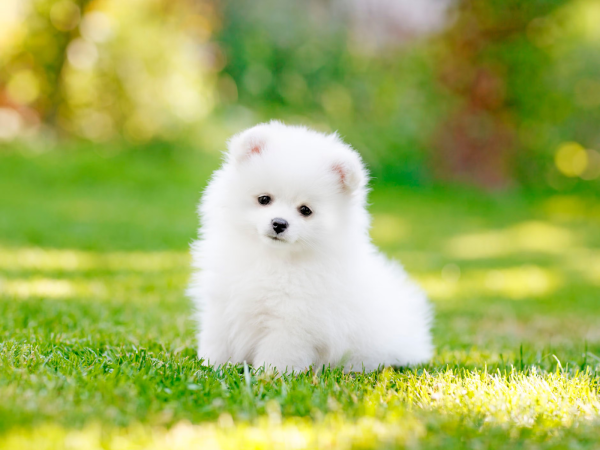
Teacup Pomeranian puppies have captured the hearts of dog lovers around the world due to their tiny size, fluffy appearance, and lively personality. For new dog owners, these dogs can seem like an ideal choice because they are small, expressive, and well-suited to indoor living. However, owning a teacup-sized dog comes with responsibilities that go far beyond appearance. Understanding their background, needs, and long-term care requirements is essential before welcoming one into your home. This guide provides a clear and realistic overview to help new owners make informed decisions.
Understanding the Teacup Pomeranian Concept
The phrase teacup pomeranian puppies is commonly used to describe Pomeranians that are significantly smaller than the breed standard. It is important to know that “teacup” is not an official classification recognized by kennel clubs. Instead, it is a descriptive term used in marketing to indicate size. Standard Pomeranians usually weigh between three and seven pounds as adults, while dogs labeled as teacup may weigh less, sometimes under four pounds.
Because there is no formal definition, size expectations can vary widely. Some puppies described as teacup may grow larger than expected, while others remain extremely small. New dog owners should approach the term with caution and focus more on overall health and temperament rather than size labels alone.
Physical Appearance and Breed Characteristics
In appearance, teacup Pomeranians share the same traits as standard Pomeranians, only on a smaller scale. They have compact bodies, short muzzles, small upright ears, and expressive eyes that give them an alert and curious look. Their thick double coat creates a rounded, fluffy appearance that many people find irresistible.
Their coats come in a wide variety of colors, including orange, cream, white, black, sable, and mixed patterns. Despite their small size, they often carry themselves with confidence and energy. While they are easy to carry, their delicate structure means they must always be handled gently to avoid injury.
Personality and Temperament
One of the defining features of Pomeranians is their personality, and teacup varieties are no exception. These dogs are known for being affectionate, intelligent, and deeply attached to their owners. They often form strong bonds and enjoy staying close, sometimes following their owners from room to room.
Teacup Pomeranians are typically alert and curious, which can make them vocal when they sense unfamiliar sounds or people. This alertness can be helpful, but without proper training it may lead to excessive barking. Early guidance helps channel their confidence into balanced behavior rather than nervousness or stubbornness.
Living Environment and Daily Routine
Because of their small size, teacup Pomeranians thrive in calm and structured environments. They are well-suited for apartment living and smaller homes, but safety must always be a priority. Everyday situations that pose little risk to larger dogs, such as jumping off furniture or rough play, can be dangerous for them.
A predictable daily routine helps these dogs feel secure. Regular feeding times, consistent sleep patterns, and gentle play sessions contribute to their emotional well-being. Households with attentive adults often find it easier to meet the needs of such a small and sensitive dog.
Feeding and Nutritional Needs
Proper nutrition is especially important for teacup-sized dogs. Their tiny stomachs and fast metabolisms mean they require small, frequent meals throughout the day. High-quality food formulated for toy breeds helps ensure they receive essential nutrients without digestive strain.
One health concern associated with very small dogs is low blood sugar, also known as hypoglycemia. Skipping meals or feeding unsuitable foods can trigger this condition, which may cause weakness or lethargy. Maintaining a consistent feeding schedule is one of the most effective ways to support their health.
Exercise and Mental Stimulation
Although teacup Pomeranians are small, they are still active and intelligent dogs that benefit from daily movement and engagement. Short walks, indoor play, and interactive toys help keep them physically and mentally stimulated. Because of their size, they do not require long or intense exercise sessions.
Care should be taken to avoid overexertion, especially in hot or cold weather. Small dogs are more sensitive to temperature changes, and extreme conditions can quickly become uncomfortable or unsafe. Balanced activity supports both physical health and emotional stability.
Grooming and Coat Care
Grooming is an essential part of caring for a teacup Pomeranian. Their thick double coat requires regular brushing to prevent tangles and matting. Gentle brushing several times a week helps maintain coat health and reduces shedding.
In addition to coat care, attention should be given to dental hygiene. Small dogs are more prone to dental crowding, which can lead to plaque buildup and tooth decay. Regular tooth brushing and veterinary dental checkups play an important role in long-term health. Occasional professional grooming can also help maintain cleanliness and comfort.
Health Considerations and Veterinary Care
Health is one of the most important aspects for prospective owners to consider. Teacup Pomeranians may be more vulnerable to certain conditions due to their small size. Fragile bones, dental, and respiratory concerns such as tracheal collapse are sometimes seen in very small dogs.
Regular veterinary visits allow for early detection and management of potential problems. Preventive care, including vaccinations and routine checkups, helps ensure a healthier life. Choosing a veterinarian familiar with toy breeds can be especially beneficial for ongoing care and guidance.
Training and Socialization
Training a teacup Pomeranian requires patience and consistency. These dogs are intelligent and capable learners, but they are also sensitive. Positive reinforcement methods, such as praise and small rewards, are far more effective than harsh corrections.
House training may take time due to their small bladder size, so a predictable schedule is important. Socialization should begin early, with gradual exposure to new environments, sounds, and people. Supervised interactions with larger dogs help prevent accidental injury while building confidence.
Ethical Responsibility and Owner Readiness
Before searching for pomeranian puppies for sale, it is important to consider the ethical responsibilities involved. Teacup Pomeranians are not novelty pets; they require attentive care and long-term commitment. Owners should be prepared for potential medical expenses, daily supervision, and lifestyle adjustments.
Responsible ownership means prioritizing the dog’s well-being over trends or size labels. Understanding that the teacup term does not guarantee a specific outcome helps set realistic expectations and supports healthier choices.
Suitability for First-Time Dog Owners
Teacup Pomeranians can be suitable for first-time dog owners who are patient, attentive, and willing to learn. They tend to thrive in homes where they receive consistent attention and are not left alone for long periods. Individuals seeking a close companion often find these dogs deeply rewarding.
However, they may not be ideal for those looking for a low-maintenance pet or a dog that enjoys independence. Their emotional attachment to owners means they benefit from companionship and routine.
Lifespan and Long-Term Commitment
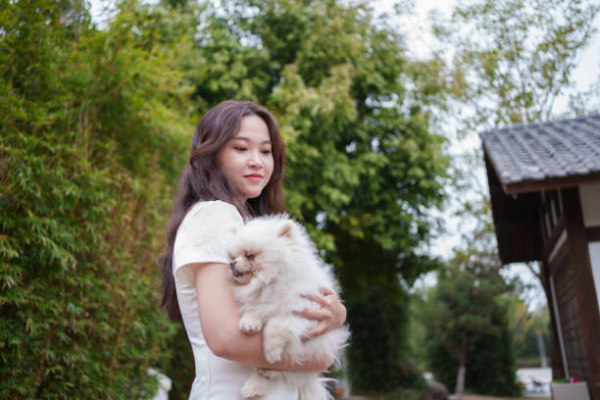
Pomeranians are generally known for their longevity, often living well into their teens with proper care. Teacup varieties may have similar lifespans, but this depends greatly on genetics, nutrition, and medical attention. A longer lifespan means a longer commitment, one that should be carefully considered before bringing a puppy home.
Conclusion
Teacup Pomeranian puppies combine charm, intelligence, and affection in a very small package. While their appearance is undeniably appealing, successful ownership depends on understanding their needs and limitations. With proper care, gentle handling, and realistic expectations, these tiny dogs can thrive and become loving lifelong companions. Thoughtful preparation is the foundation for a healthy and happy relationship between owner and dog.