
Trading can be exciting and rewarding, but it can also be confusing when you come across terms like margin trading. Many new traders hear this phrase but aren’t sure what it means or how it works. To make things clearer, CW-Management provides simple answers to some common questions about margin trading and what traders should keep in mind before trying it.
What Is Margin Trading?
Margin trading means borrowing money from your broker to buy or sell more assets than you could with your own funds. It’s like using a short-term loan that allows you to control a larger position in the market.
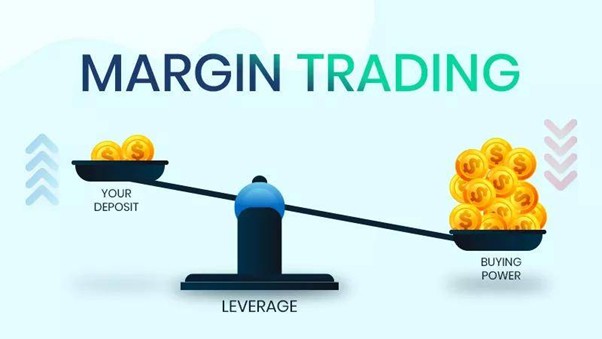
Source: https://www.ebc.com/forex/analysis-of-margin-trading
Specialists explain that margin trading is common in markets such as forex, stocks, and commodities, where small price changes can have an important impact. However, it also comes with higher risks, so traders need to understand how margin works before they start.
How Does Margin Trading Work?
When you open a margin trade, you only need to put down a portion of the total value; this is called the margin requirement. The broker lends you the rest. The percentage required depends on the broker and the market, but it usually ranges between 1% and 10% of the total trade size.
If your trade moves in your favor, you could earn more than if you had used your own funds. But if the market moves against you, you could lose your initial margin quickly. In some cases, you might owe additional money if your account balance drops below the required level.
What Is a Margin Call?
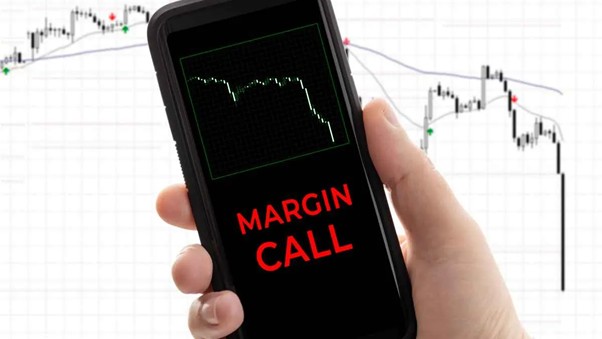
Source: https://www.markets.com/vn/education-centre/what-are-margin-calls/
A margin call happens when your account no longer has enough funds to support your open positions. The broker then asks you to deposit more money or close some of your trades.
CW-Management explains that margin calls are a safety measure to protect the trader and the broker. If the market continues to move against your position and you don’t add more funds, the broker may automatically close your trade to prevent further losses.
To avoid margin calls, traders should monitor their open positions closely and use risk management tools like stop-loss orders.
Is It Right for Everyone?
Not necessarily. Experts emphasize that although margin trading can increase opportunities, it also increases risks. New traders or those who cannot afford to lose more than they invest should approach it carefully.
Before starting, it’s important to:
- Understand how leverage and margin work.
- Practice with a demo account to get used to market movements.
- Have a clear risk management plan in place.
- Never trade with money you cannot afford to lose.
Margin trading can be powerful in experienced hands, but it can also magnify losses for those who trade without preparation.
In simple terms, margin trading lets you trade more than you have by borrowing funds from your broker. CW-Management reminds traders that this can increase potential profits, but it also brings greater risk. The key is to stay informed, start small, and manage risk carefully.
Disclaimer:
This article is for educational purposes only and does not constitute financial advice. Trading on margin involves significant risk and may result in losses exceeding your initial investment. Consult a licensed financial professional before engaging in margin trading.